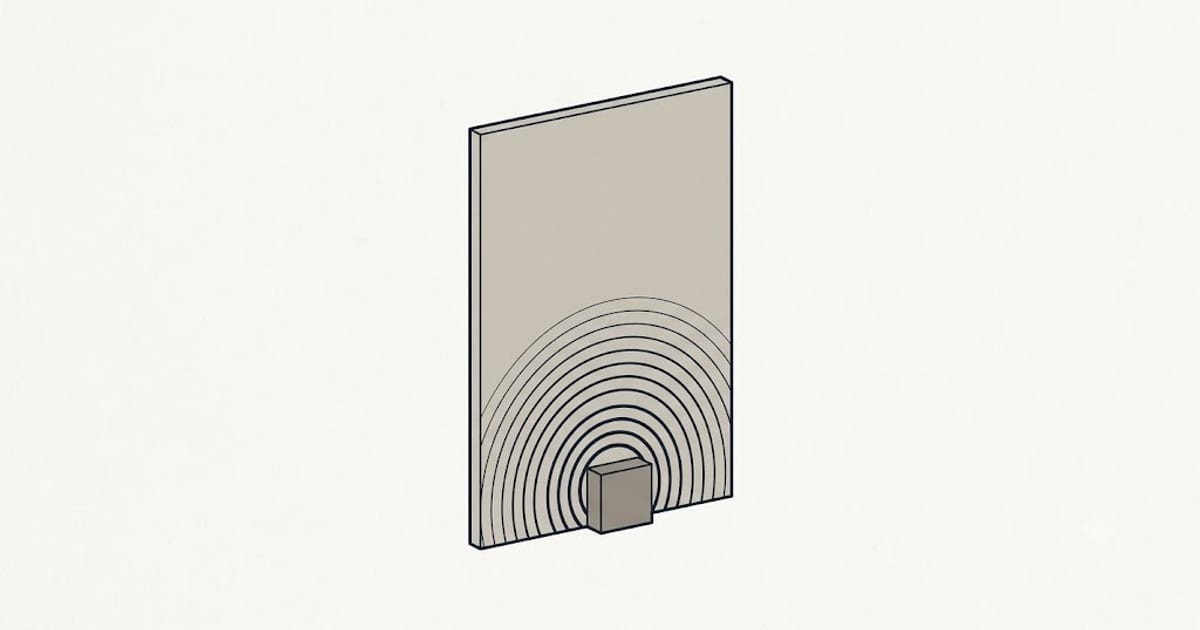
Most fridge noises are the appliance working. Some are not. The difference is usually where the sound comes from and what rhythm it has.
Normal, and made by design
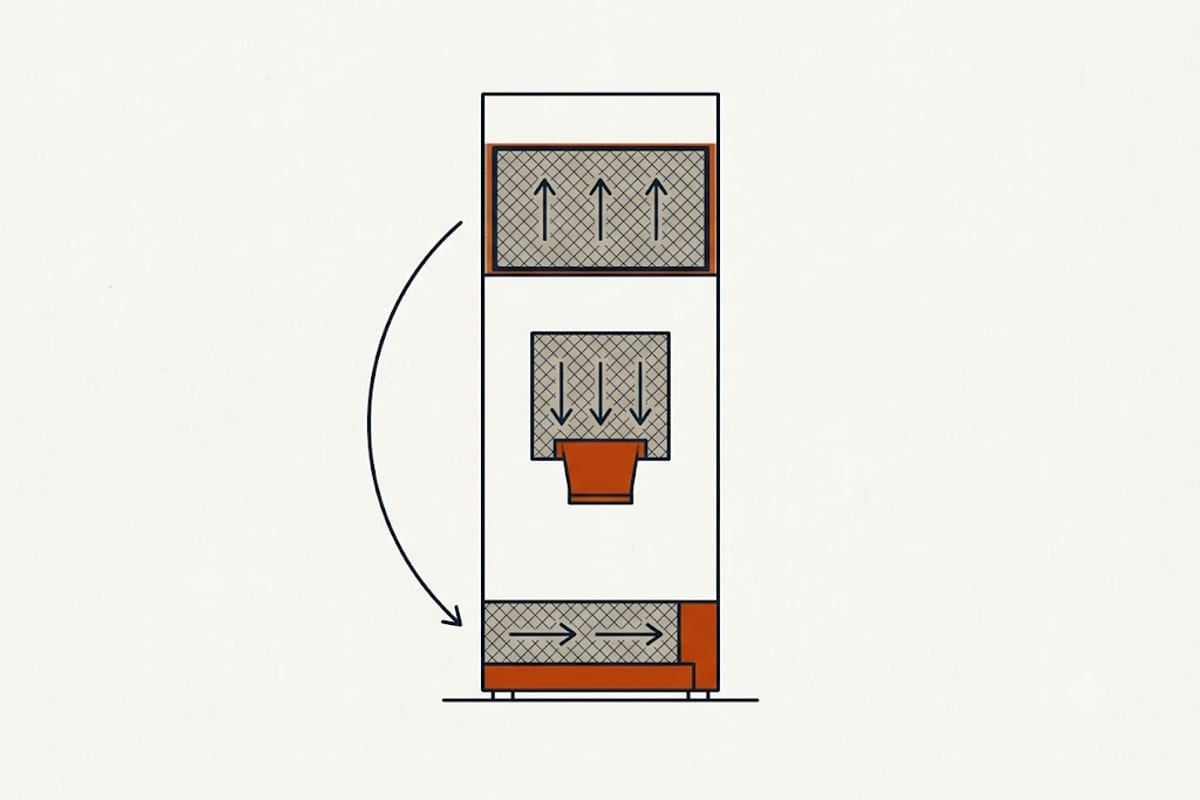
- A low steady hum from the bottom rear. The compressor. On an inverter model it runs almost continuously at varying speed, which is why newer fridges seem to run more than old ones — they do, and it is more efficient.
- A whirring from inside the freezer that stops when you open the door. The evaporator fan. Some models keep it running with the door open, which is also normal.
- Gurgling, trickling, or a soft boiling sound. Refrigerant moving through the system. Loudest just after the compressor stops.
- Cracking and popping. Plastic liners expanding and contracting. Common at night and after a defrost cycle.
- A short buzz every few hours, then water running. The ice maker filling.
- A click before and after the compressor sound. The start relay.
Worth looking at
A loud, rattling buzz that comes and goes. Usually something touching the cabinet — a drip tray, a loose panel, or the fridge resting against a wall. Move it a few centimetres from the wall and see if it changes.
Rhythmic clicking every few minutes with no cooling. The compressor is trying to start and failing, tripping its overload protector each time. The cabinet will be getting warm.
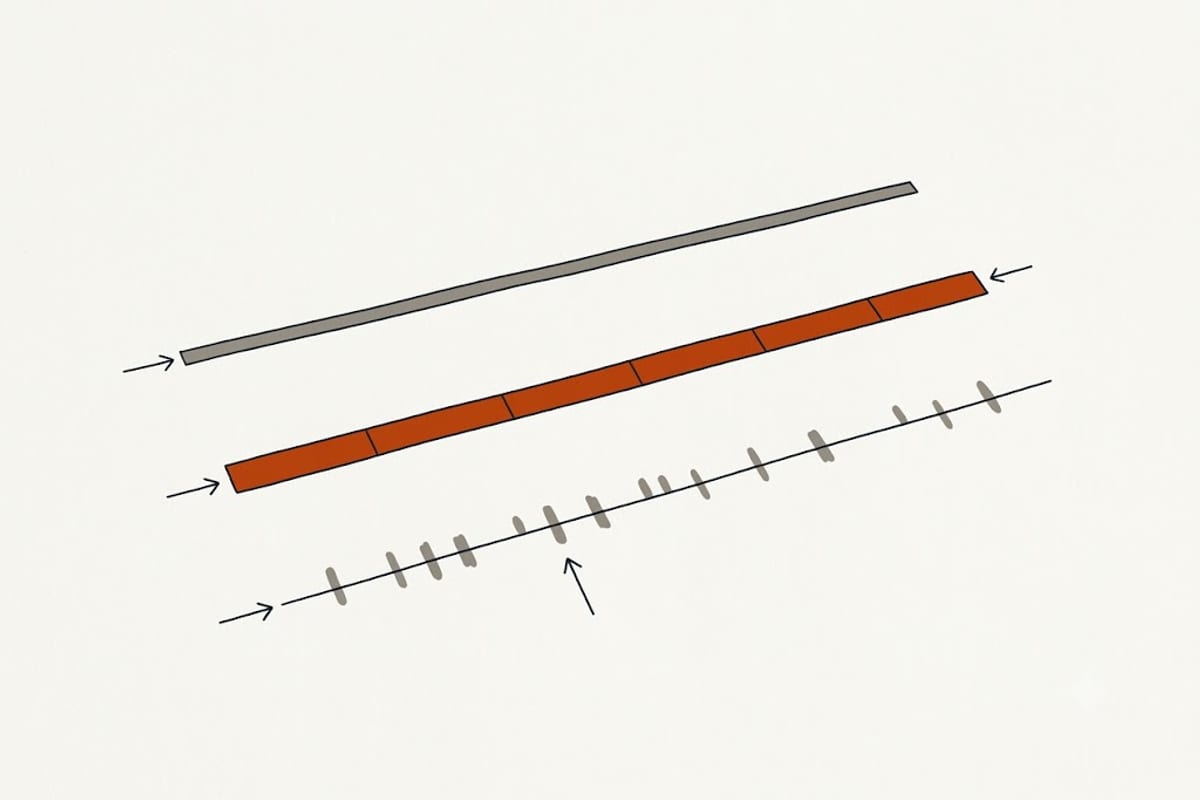
A grinding, squealing or chirping from the freezer. The evaporator fan bearing, or the fan blade hitting ice. Both need the freezer opened up.
A loud fan from underneath at the back. The condenser fan struggling, often because the coils behind it are packed with dust.
A sound that changed suddenly. More diagnostic than the sound itself. Fridges are consistent; a new noise means a new condition.
The single most useful test
Open the freezer door and hold the door switch in with a finger. If a fan starts, the evaporator fan is alive. If nothing happens, it is not — and that alone explains a warm fridge compartment.
Then put a hand near the compressor at the back. Warm and vibrating means it is running. Cold and silent while the fridge is warm means it is not.
Those two checks take a minute and split most noise complaints into the right half.
Noise that is really a placement problem
- Uneven floor. A cabinet that rocks amplifies compressor vibration through the floor.
- Too close to a wall or in a tight alcove. Restricted airflow makes the condenser fan work harder and louder, and shortens the compressor's life.
- Sitting on tile or laminate over a joist. The floor becomes a soundboard. Anti-vibration pads under the feet are cheap and usually solve it.
When to stop
Nothing on the normal list needs any action. Fan and relay faults are inside a cabinet carrying mains voltage and, in the freezer, behind a panel with refrigerant lines running through it — a panel that can be punctured.
If a fridge is noisy but cold, it is very unlikely to be broken. If it is noisy and warming up, the noise is a clue and the warming is the problem.
Inverter compressors changed what normal sounds like
Older fridges used a compressor that switched hard on and off. You heard a clunk, a period of loud running, then silence. Newer fridges mostly use variable-speed inverter compressors that run almost continuously at low speed instead.
That is more efficient and keeps the temperature steadier, but it means the fridge is making a low sound most of the time rather than some of the time. Many people who have just replaced an old fridge report that the new one is noisier, when what has actually changed is the pattern rather than the volume.
Getting the sound recorded
If a noise is intermittent and you want a technician's opinion, record it on a phone held near the source, and note the time and whether the doors had recently been opened. A sound that only appears twice a day is difficult to describe and easy to demonstrate, and it saves a visit where nothing happens to be making a noise.