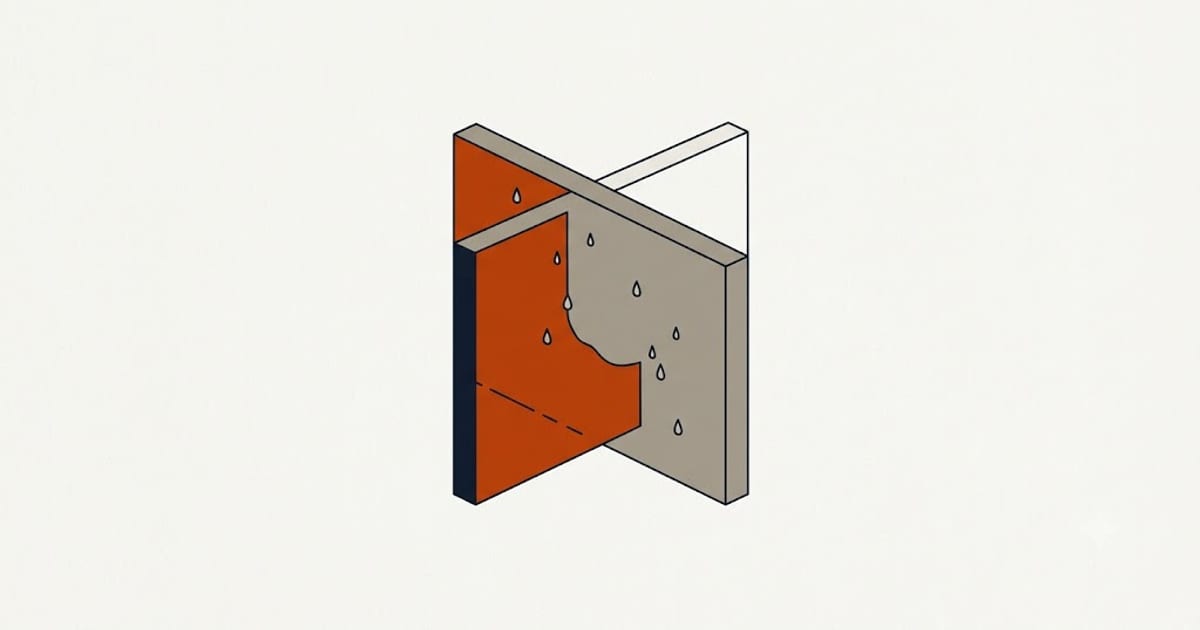
Condensation inside a fridge is warm, humid air meeting cold surfaces. The fridge is not failing to cool — it is being given more humid air than it can dry out.
So the question is where that air is getting in, or why the water it produces is not draining away.
The door is the first suspect
Test the seal. Close the door on a strip of paper and pull it out. It should drag. Do this at several points around the door, especially the corners and the hinge side.
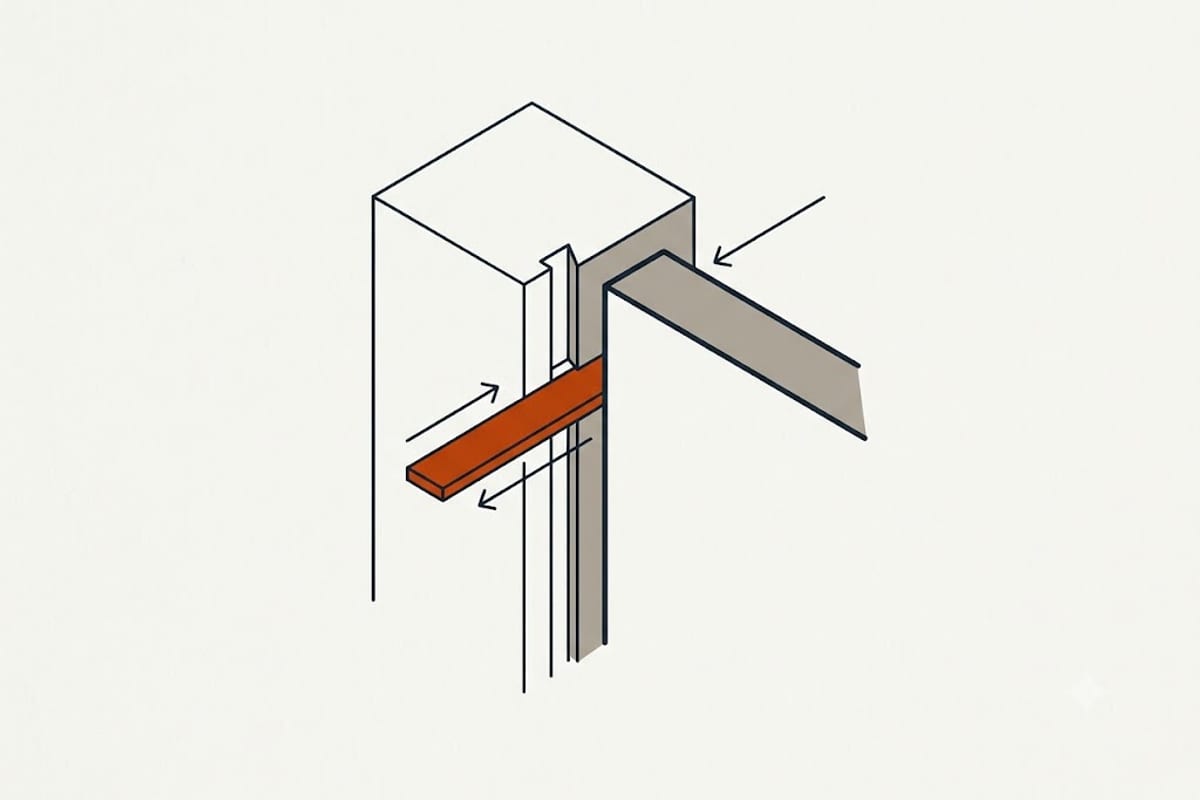
If it pulls out freely anywhere, that section is not sealing. Common causes:
- The gasket is dirty or sticky. Wash it with warm soapy water. Food residue stops it seating.
- The gasket has hardened or deformed. Common on older fridges and after a fridge has been stored somewhere cold.
- The door is dropping on its hinges, so it seals at the top and not the bottom.
- The fridge is not level. Most fridges are designed to sit very slightly tilted back so doors swing closed.
Then think about how the door is used. A fridge opened frequently, held open while people decide, or opened in a hot humid kitchen will condense regardless of how good the seal is. Summer, and a kitchen with a kettle and a hob running, make a visible difference.
Then the drain hole
Most fridges produce condensation on the rear wall by design, then drain it through a small hole at the back of the floor into a tray above the compressor, where it evaporates.
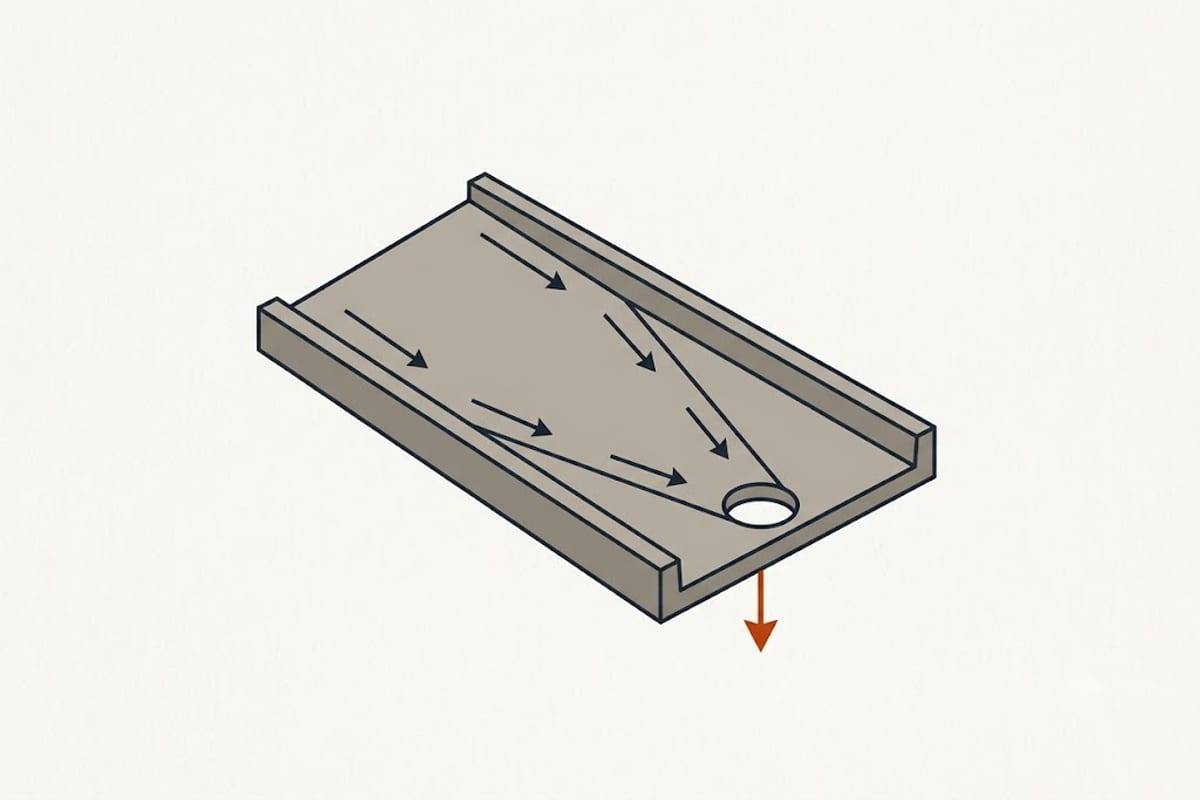
If that hole blocks — with food debris, or with ice — the water has nowhere to go. It pools in the salad drawer, runs down the back wall, or freezes into a sheet at the bottom.
Clearing it is an owner job: find the hole at the back of the fridge floor, and clear it gently with a pipe cleaner or a length of flexible plastic. Warm water poured slowly afterwards confirms it is running. Do not use anything metal or sharp — the drain channel runs close to components.
Then what is inside
- Uncovered liquids and soups put moisture into the cabinet continuously.
- Warm food put straight in condenses immediately and raises the whole cabinet temperature.
- Fruit and vegetables release moisture; crisper drawers are designed to hold that humidity, and water droplets inside a crisper drawer are normal.
- Overfilling blocks air circulation, so some areas stay warmer and condense.
Frost rather than water
If the moisture is freezing rather than running, the same causes apply but the location has dropped below zero. On a frost-free model, a build-up of frost on the back wall of the freezer usually means the defrost system, not the door — and that is a repair rather than a habit change.
What it is not
- A refrigerant problem. Sealed-system faults make a fridge warm, not wet.
- A thermostat set too cold. That causes freezing of food at the back, not condensation.
- A sign the fridge is failing. A fridge that sweats and still holds temperature is working.
When to worry
Condensation with rising temperature is different — that is a fridge losing the battle, and the seal or the airflow has crossed from inconvenient to functional. Put a thermometer on a middle shelf and check it over a day. A fridge holding around 3–5 °C with some condensation has a door or drain problem. One drifting above that has a cooling problem as well.