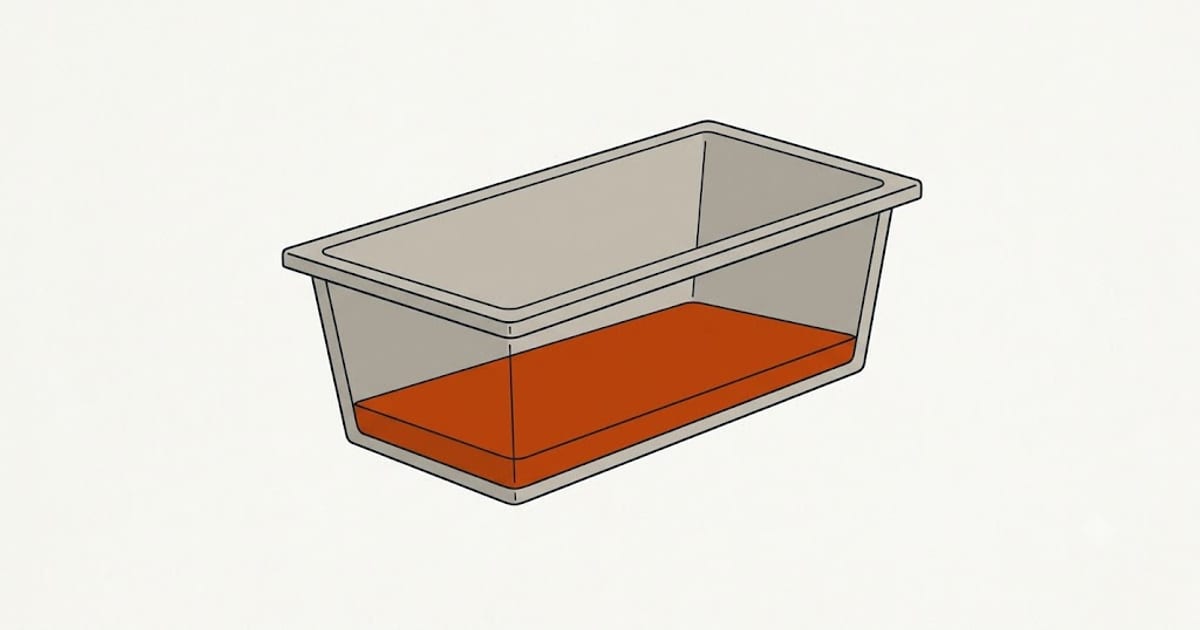
A dishwasher that finishes with water in the base has failed to move it somewhere. If the filter is clean and the pump is not jammed, the fault is almost always in the plumbing behind or under the sink — and two of the causes are installation faults that can sit there for years.
Check the filter properly first
"Clean" usually means someone lifted the coarse filter and rinsed it. The finer mesh underneath, and the sump below that, are where grease and glass grit collect.
Remove the whole filter assembly, wash it in hot water, and look into the sump with a torch. Anything solid down there goes in the bin, not down the drain.
Then the two installation faults
The high loop. The drain hose must rise to a point higher than the water level in the tub before it descends to the waste. Without that, water from the sink — or from the tub itself — flows back by gravity.
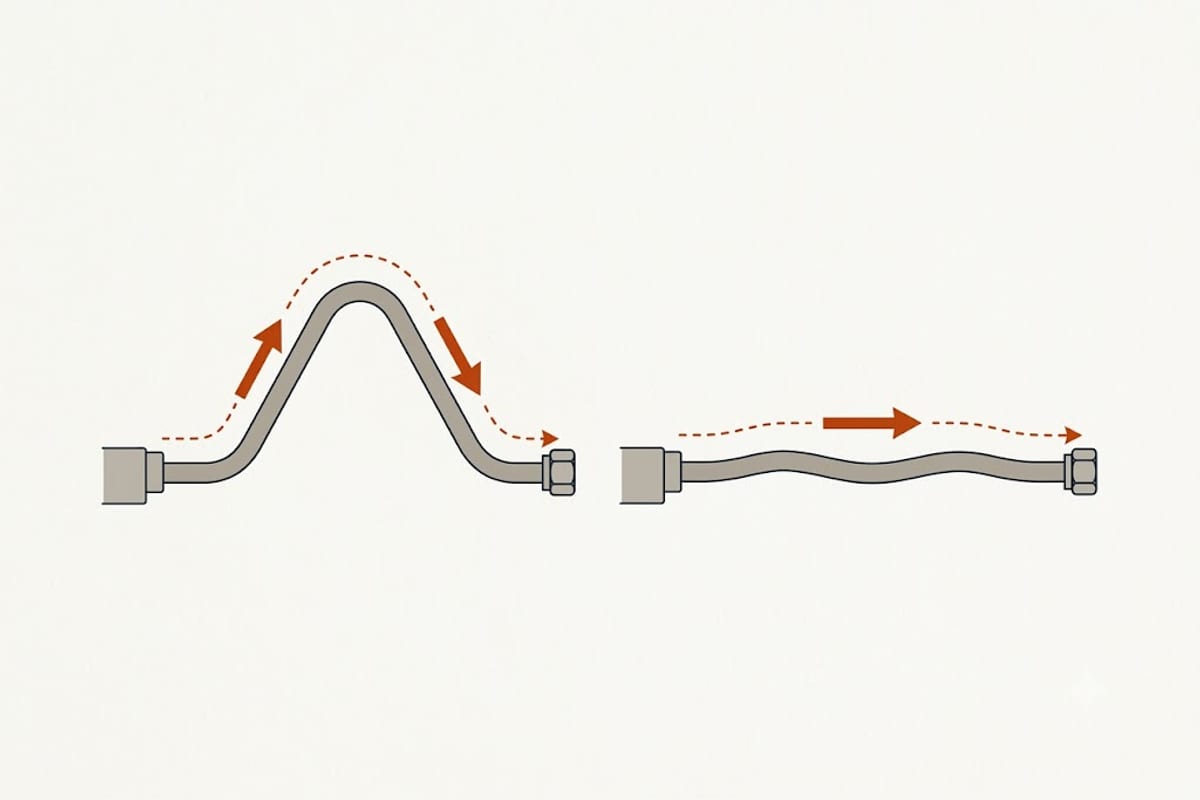
The hose should be clipped up under the worktop, or connected through an air gap on the sink deck. A hose that runs straight from the machine down to a low waste connection will fail this way, and the symptom is standing water that never fully clears.
This is worth checking after any kitchen work, any appliance swap, and in any home where the machine has never drained properly since it was installed.
The disposal knockout plug. If the dishwasher drains into a food waste disposal, that inlet ships sealed with a plug which has to be knocked out during installation. If it was missed, the dishwasher can never drain into it.
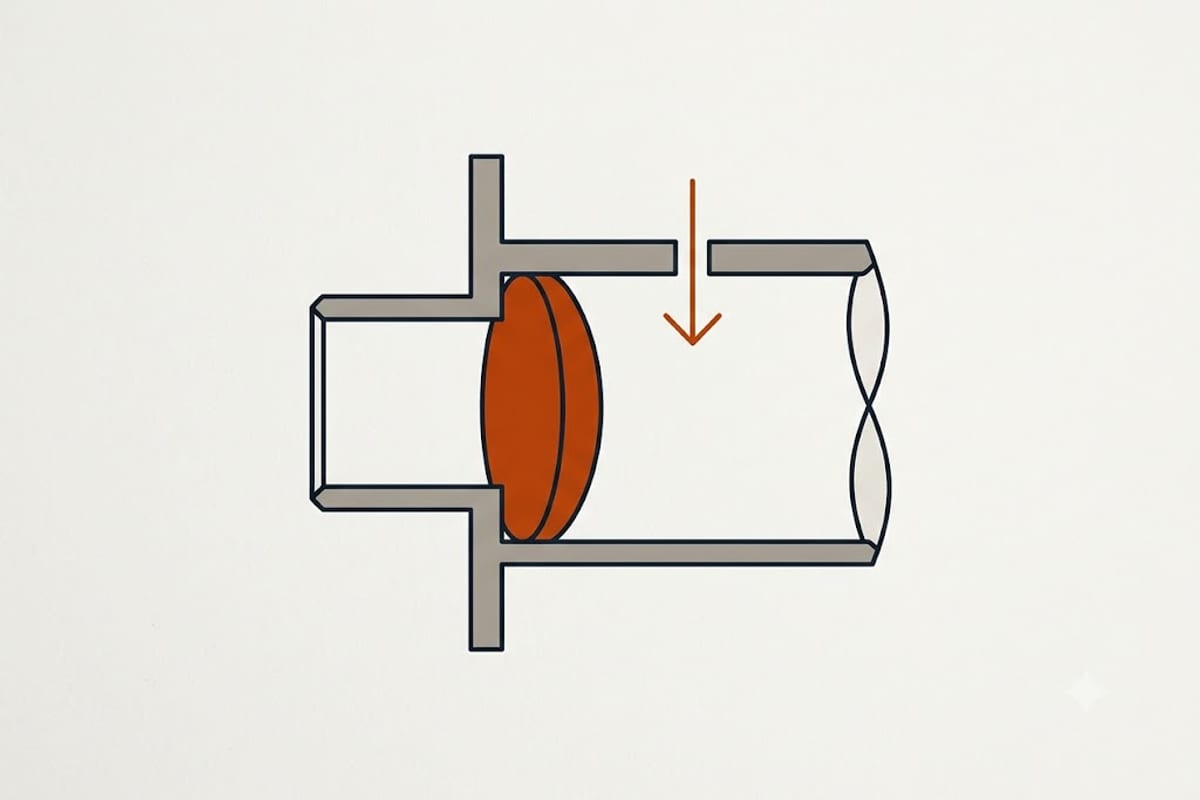
The giveaway: a machine that has never drained since a new disposal was fitted, with the pump running normally.
The air gap
Where an air gap is fitted on the sink deck — a small cylindrical cap — it can block with debris. Lift the cover, unscrew the cap, and clear it. When it blocks, water often backs up onto the worktop through the gap itself, which is a distinctive symptom.
What the noises mean
- Pump hums, no water moves — the impeller is jammed or seized.
- Pump runs, water moves, then comes back — plumbing, not the machine. Go back to the high loop.
- Nothing at all — no power to the pump. Some machines will not run the drain pump if the door latch is not registering.
- Grinding — something solid in the pump, usually glass or a cherry stone.
Things that are not the cause
- Detergent type. It affects cleaning, not drainage.
- A small amount of clean water in the sump after a cycle is normal on many machines — it stops the seals drying out.
- The filter being "dirty" in the sense of stained. Discoloured is fine; blocked is not.
When to stop
Clearing filters, checking hose height and clearing an air gap are all owner tasks. Removing a drain pump means pulling the machine out, disconnecting water and power, and tipping it — with whatever water remains still inside.
If the plumbing is right and the pump is clear, the remaining faults are electrical. That is a meter job.
Why it happens more on some installations than others
Two installation patterns account for most of the repeat cases. The first is a dishwasher fitted under a worktop with no clip holding the drain hose up, so gravity slowly pulls the loop flat over months of vibration. It drained fine when installed and fails a year later, which makes it look like a machine fault.
The second is a shared waste with a sink. Fat poured down the sink cools in the horizontal run and narrows it. The sink still drains because it has more head pressure behind it; the dishwasher, pushing a smaller volume through a longer hose, does not. That is why a dishwasher can fail while the sink beside it seems fine.
If the machine has drained badly since day one, treat it as an installation fault and check the loop and the knockout plug before anything else. If it drained well for years and then stopped, treat it as a blockage or a pump and start at the filter.