An oven that smokes is doing one of three things, and the smell tells you which before you look at anything.
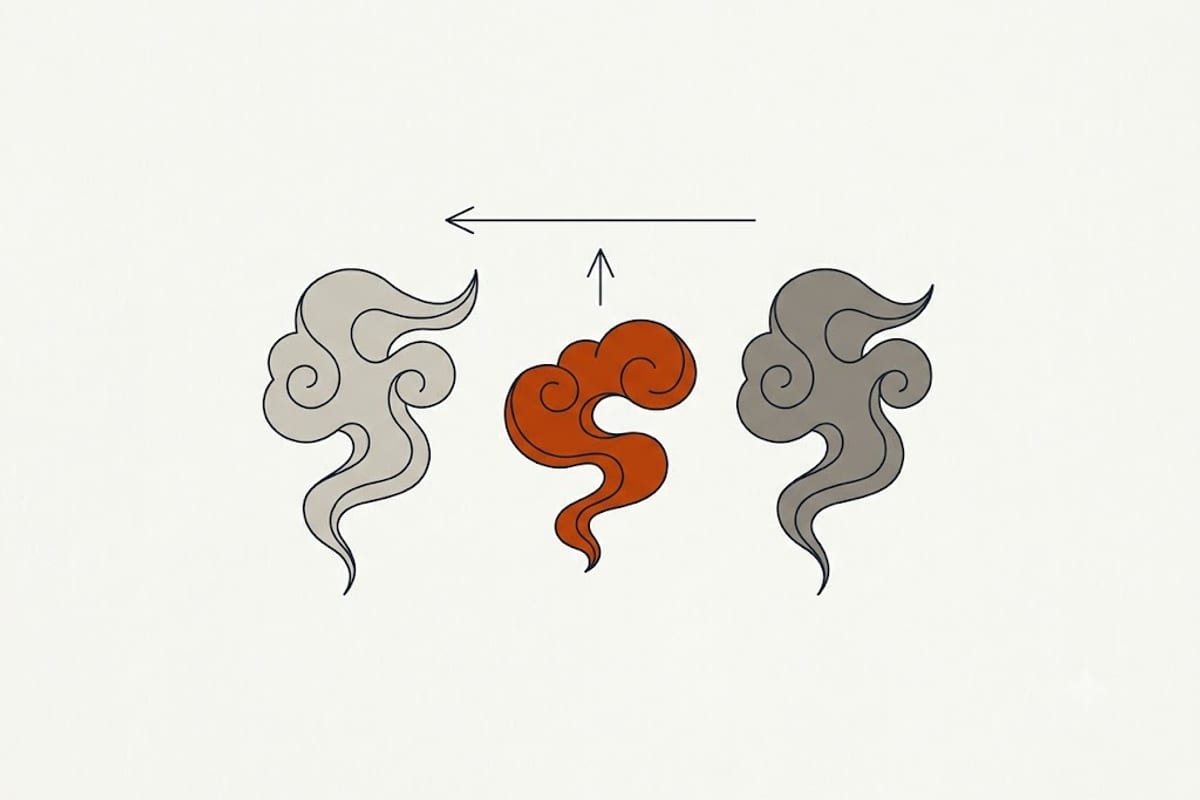
Burnt food residue — smells of food, blue-grey
The ordinary case. Fat and food debris on the oven floor, the walls, the element and the roof burn off whenever the oven gets hot.
It builds up in places people do not look:
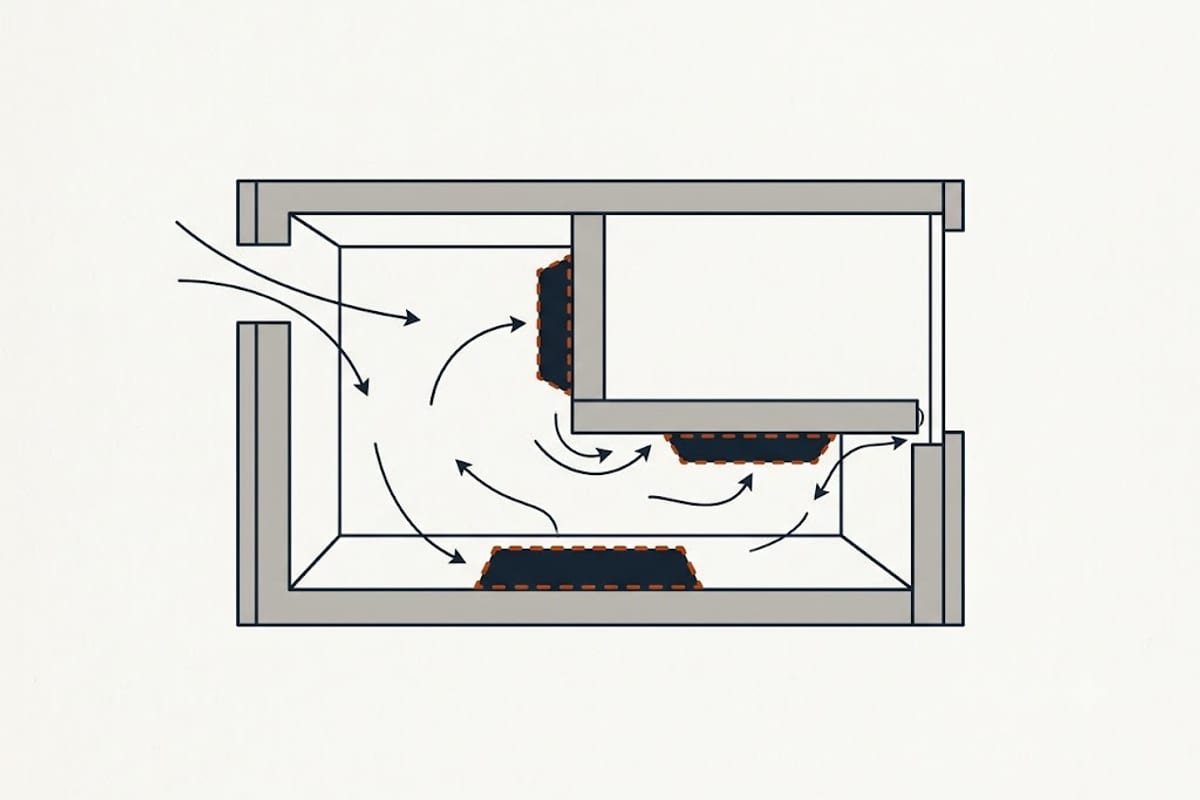
- Under the bottom element, or beneath the floor panel on models where the element is hidden.
- On the roof of the cavity, dripped there by the grill.
- Behind and around the fan cover in a fan oven.
- In the door seal channel.
- On the grill pan and its rack, left in the oven during baking.
The fix is cleaning, and there is one thing worth knowing: the smoke gets worse before it gets better after a partial clean. Loosened residue that is still in place burns more readily than a baked-on layer. Clean properly rather than partially.
If the oven has a pyrolytic self-clean function, expect significant smoke and a strong smell during the cycle — that is what the cycle is doing. Ventilate the room, and remove all racks and pans first unless the manual says otherwise.
A new oven — smells chemical, white or pale
New ovens smoke on their first few uses. Manufacturing oils, protective coatings and insulation binders burn off. It smells industrial rather than of food.
The standard remedy is to run it empty at a high temperature for half an hour or so, with the room ventilated, before cooking anything. Most manuals say this explicitly and most people skip it.
This also applies after a new element is fitted.
Burning plastic, rubber, or an acrid electrical smell — stop
This one is different. Switch the oven off at the wall and do not use it.
Causes include a failing element arcing, damaged wiring at the terminal block, a failed fan motor, or a rodent nest in the cavity behind the panels. All of them are fire risks and none of them improves by continuing to cook.
Signs alongside the smell that make it urgent: sparking or a bright flash inside the cavity, a burning smell that persists after the oven is off, a tripped breaker, or a scorch mark near a connection.
Smoke that only happens at high temperature
Very common, and it points at residue rather than a fault — most food soil only reaches its smoke point above about 200 °C. An oven that bakes at 180 °C cleanly and smokes when the grill is used has residue on the roof and the upper element.
Smoke only when using the fan
Points at debris behind the fan cover, which is easy to miss during a normal clean. On most ovens the cover unscrews with a couple of screws.
Prevention that actually works
- Line the floor with a tray, not with foil laid directly on the base — foil on the base blocks heat distribution and can damage the enamel.
- Wipe spills while the oven is still warm, before they carbonise.
- Take the grill pan out when baking.
- Cover fatty roasts for part of the cooking time.
A well-used oven that smokes a little when it first heats up is normal. One that fills the kitchen every time needs cleaning, not a repair.
Cleaning without making it worse
Caustic oven cleaners work, and they are also the most common cause of a second round of smoke. Residue left in the cavity burns off on the next use and smells strongly of chemicals, which people then mistake for a new fault.
Whatever product is used, the last step matters more than the first: wipe the whole cavity down repeatedly with clean water and a fresh cloth until nothing comes away, then run the oven empty at a moderate temperature with the room ventilated before cooking in it again.
Avoid getting cleaner on the heating element itself, on the fan, or on the door seal. The element burns whatever lands on it, the seal degrades, and neither is easy to put right.
Self-cleaning cycles are harder on the oven than people expect
A pyrolytic cycle runs the cavity above 450 °C for hours. That does destroy residue, but it also stresses door seals, thermal fuses and control boards, and it is a well-known trigger for a thermal fuse blowing — which then leaves an oven that will not heat at all.
That does not mean never using it. It means clearing loose debris out by hand first so the cycle has less to burn, and not treating it as routine monthly maintenance.