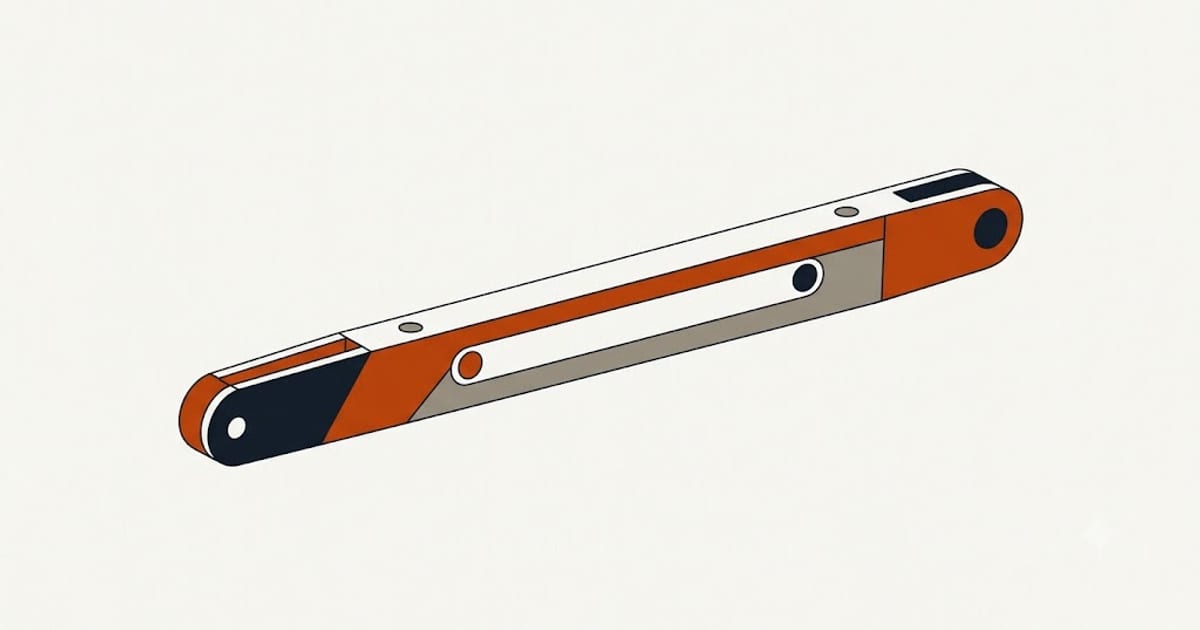
Dishes coming out dirty, with dry patches of food still stuck on, usually means water is not reaching them. That is a different problem from the machine not filling, and it is usually mechanical rather than electrical.
Before opening anything, do two checks that take under a minute.
1 · Spin the arms by hand
Open the door and turn each spray arm. They should rotate freely with a light push.
If an arm is stiff, something is in its bearing. If an arm will not go round at all, look at what is loading it.
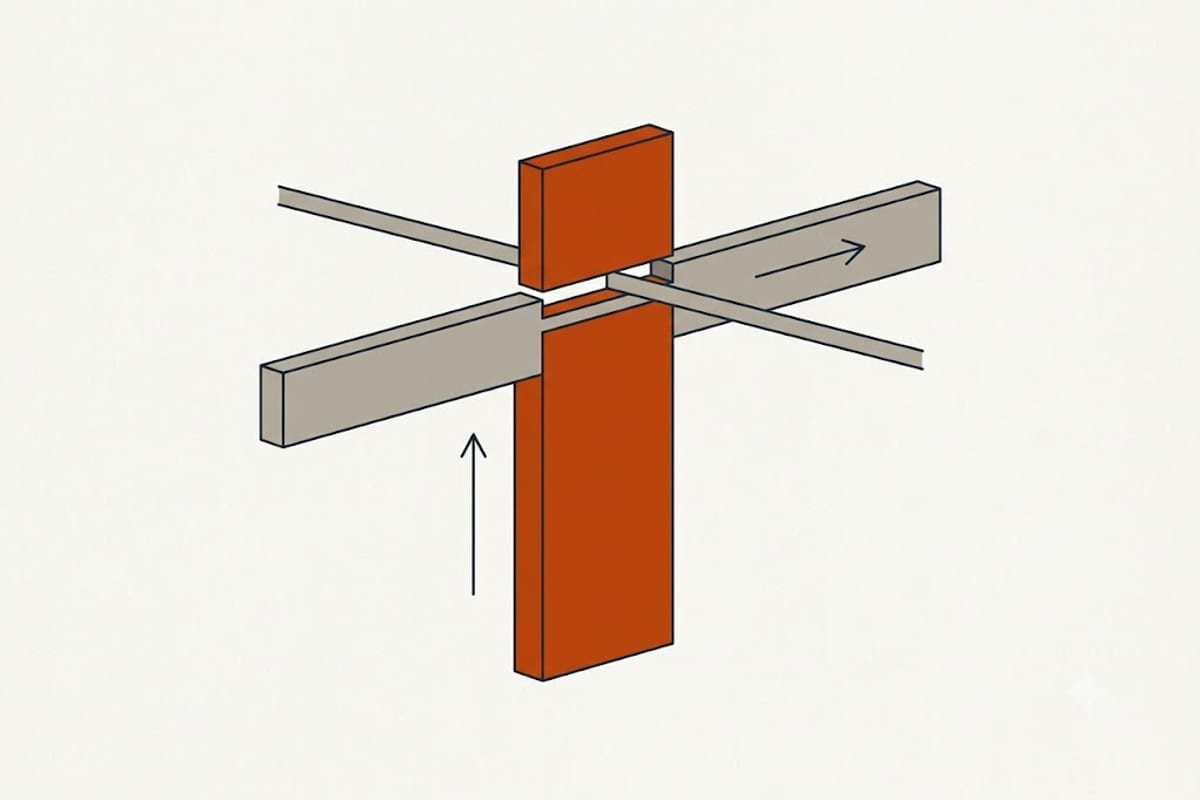
A tall item stopping the upper arm is the single most common cause of poor washing. A chopping board on its side, a tall glass, a pan handle sticking up — any of these stops the arm dead, and the machine has no way to know. The cycle runs, the pump runs, and half the load never sees water.
Load the machine, then spin both arms by hand before closing the door. It takes two seconds and it prevents most of these complaints.
2 · Look at the jets
Take the arms off — most unclip or unscrew by hand — and hold them up to the light.
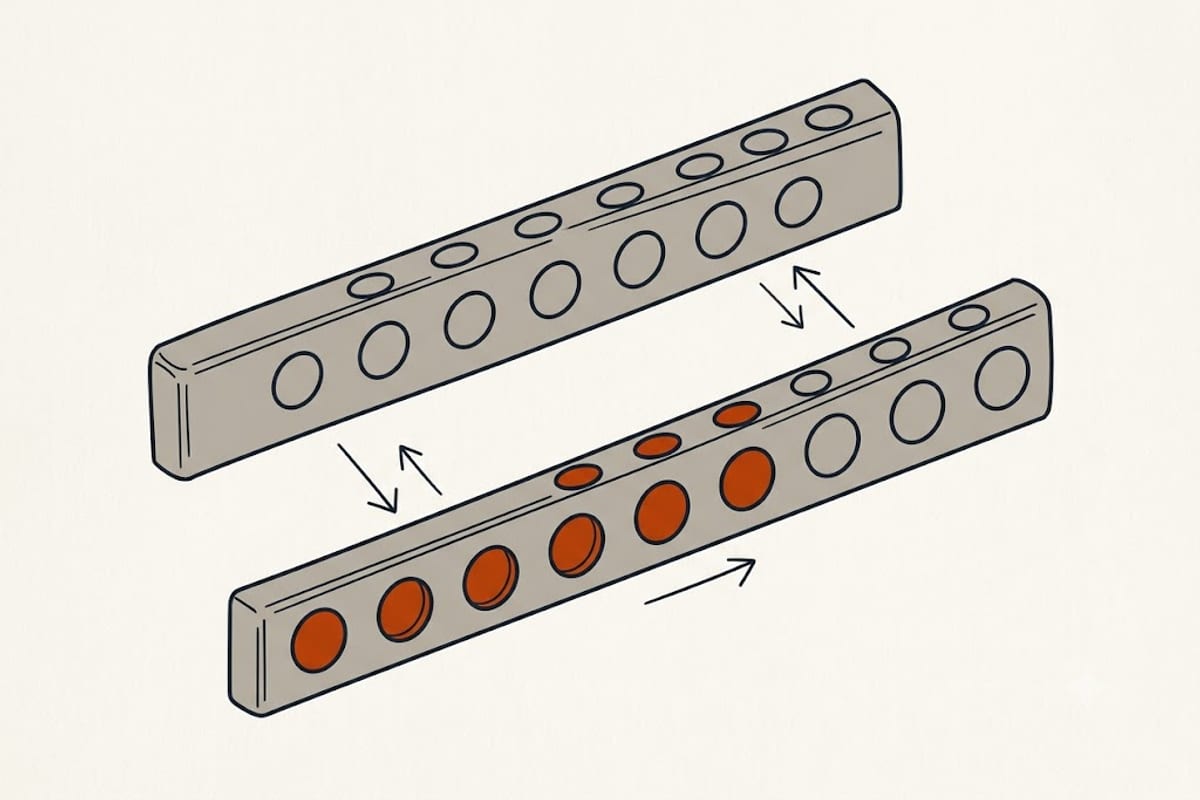
Blocked holes are usually limescale, seeds, or bits of label. Clear them with a cocktail stick and rinse the arm through under a tap. Water should run out of every hole.
In a hard water area this is routine maintenance rather than a repair, and it needs doing every few months.
Then the filter and the water level
A blocked filter reduces the volume of water the pump has to work with, so the arms spin weakly rather than not at all. Take the whole filter assembly out, wash it in hot water, and check the sump underneath.
If the machine sounds like it is straining or the pump note rises and falls, it may not be filling far enough. Causes:
- A partly closed supply valve or a kinked fill hose.
- A blocked inlet filter in the fill hose connection — a small mesh screen that catches grit from the mains.
- The float switch stuck, so the machine thinks it is full when it is not.
Loading mistakes that look like faults
- Nesting. Two bowls stacked shield each other completely.
- Facing the wrong way. Concave items should face down and inward toward the arm.
- Overlapping cutlery in the basket, which shadows itself.
- Blocking the detergent flap with a large plate so it cannot open.
- Very tall items on the lower rack stopping the upper arm, as above.
Detergent problems that mimic poor spraying
If the detergent tablet is still whole or partly dissolved at the end of the cycle, water is not reaching the dispenser — usually because the flap is blocked, or because the cycle is too short and cold for the tablet used.
Tablets need a proper wash phase. A quick or eco cycle at low temperature with a tablet designed for a full cycle often leaves residue and poorly cleaned dishes, and nothing is broken.
What is genuinely broken
If the arms turn freely, the jets are clear, the filter is clean and the machine still fills but does not spray, the wash pump or its impeller is the remaining candidate. That is a repair rather than a maintenance job — the pump sits under the tub and reaching it means moving the machine and dealing with residual water.
Nearly all "not spraying" complaints are solved before that point, which is why the order above matters more than the diagnosis at the end of it.