
An oven that heats but stops short of its setting is a different fault from one that never heats at all, and the difference matters because it points somewhere else entirely.
When an oven refuses to heat, the circuit that makes heat is broken. When it heats but stalls, the circuit works and something is telling it to stop too early — or part of the heating capacity has gone while the rest carries on.
The temperature sensor is the usual suspect
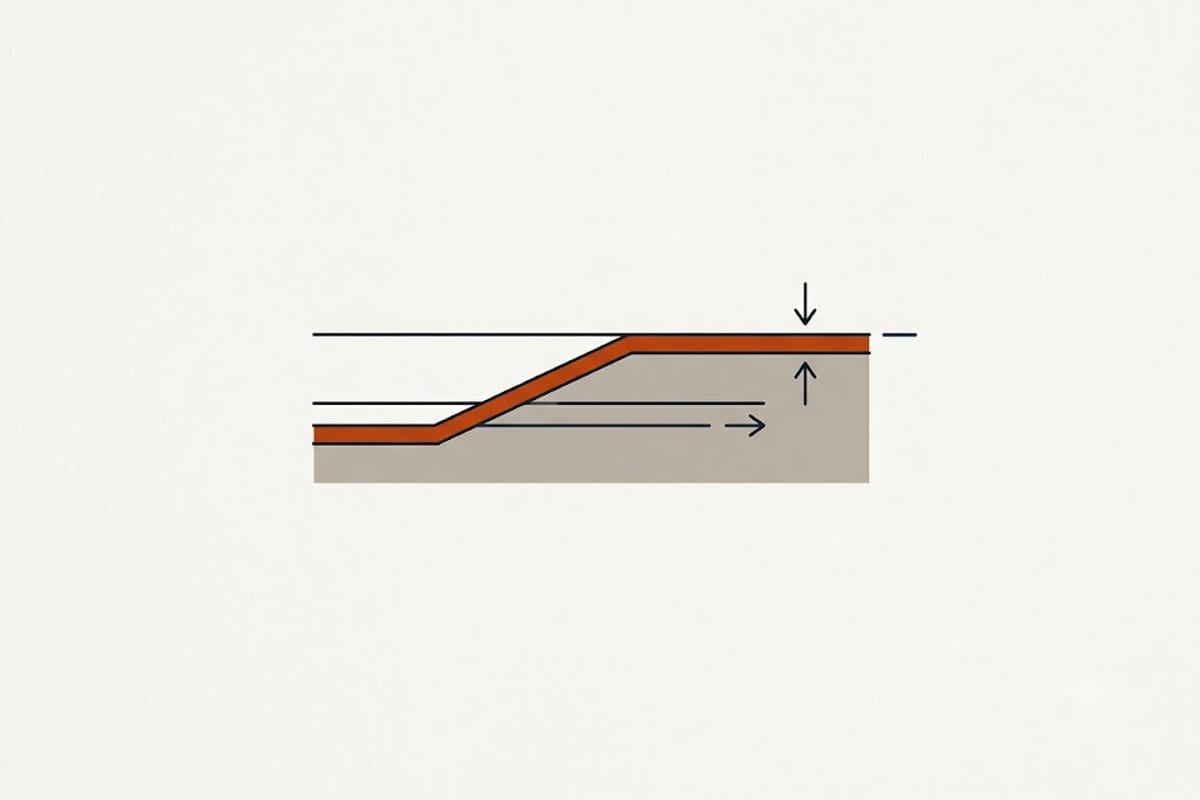
Every modern oven has a temperature probe inside the cavity, usually a thin metal rod protruding from the back wall. The control board compares its reading against the setting and switches the elements accordingly.
If that sensor reads high — reporting 200 °C when the cavity is at 130 °C — the oven does exactly what it is designed to do and stops heating. Everything works, nothing is obviously broken, and the food never cooks properly.
This is one of the most common causes of the complaint, and it is worth suspecting first because the symptom is so specific. An oven that is consistently and substantially cooler than its setting, across every function, is describing a measurement error rather than a heating error.
The way to confirm it is with an oven thermometer left inside during a preheat. If the dial says 200 and the thermometer says 130, the disagreement is the diagnosis. Some ovens allow a calibration offset to be entered, which corrects small errors but will not rescue a genuinely failed sensor.
One element out of two
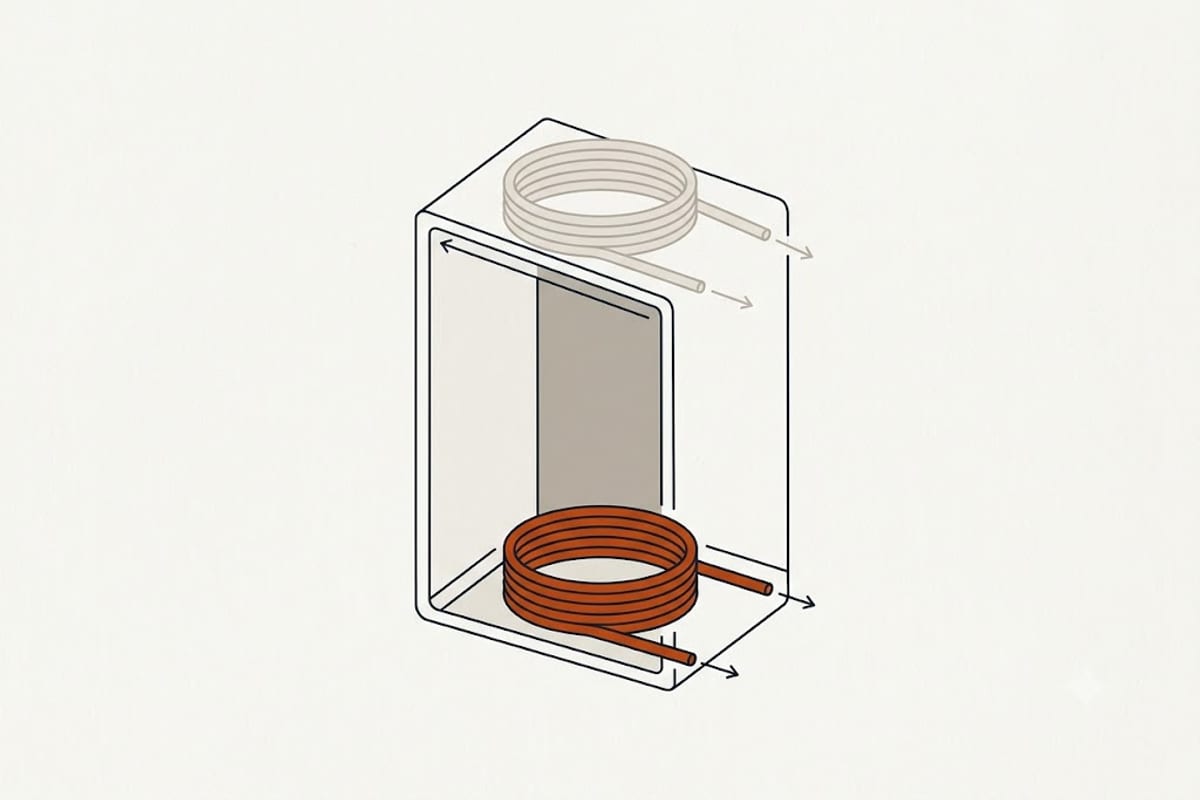
Most ovens have more than one element — a bake element at the bottom and a grill element at the top, sometimes a ring element around the fan as well. Depending on the function selected, one or several are used together.
When one fails, the oven still heats, just far more slowly and to a lower ceiling. This produces exactly the pattern people describe: it gets warm, it takes forever, and it never gets properly hot.
A useful test is to compare functions. If the grill works normally and the fan oven does not, or vice versa, that points at the element used by the failing function rather than at anything shared. An element that has failed usually shows a visible blister, split or burnt spot when the oven is cold and you look along its whole length.
The door and the seal
Heat that escapes as fast as it is made produces the same symptom without any part having failed. Check the door seal by closing the door on a strip of paper and pulling — it should drag, all the way round.
A seal that has hardened, torn, or come out of its channel lets a continuous stream of hot air out of the cavity, and on a fan oven that is worse because the fan is actively pushing air around. Doors that no longer close flush, usually because a hinge has weakened, do the same thing.
This is worth checking early because it costs nothing and because a visibly damaged seal makes everything else moot.
Things that are not faults
An oven that takes fifteen to twenty minutes to preheat is normal, and larger ovens take longer. Many ovens overshoot slightly and then settle, so a reading taken at the moment the light goes out is not representative. Cheap dial thermometers are themselves often inaccurate by a wide margin, which is worth remembering before condemning an oven on the strength of one.
It is also normal for the temperature in a fan oven to be more even but slightly lower at the same setting than in a conventional one, which is why recipes give different figures for each.
Where the line is
Confirming the problem with a thermometer, checking the seal and comparing functions are all things worth doing before calling anyone, and they narrow the answer considerably. Replacing a sensor or an element means working on mains-voltage components inside an earthed cavity, and on a gas oven anything on the gas side is a job for a registered person by law in most places.