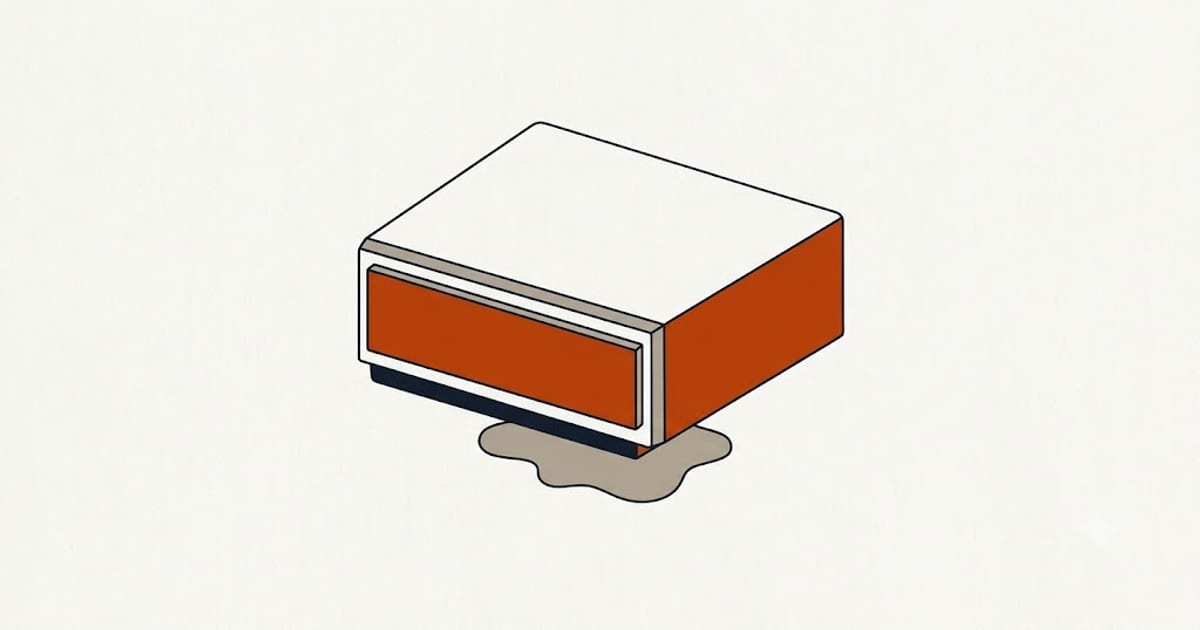
A tumble dryer has no water supply. Every drop of water that comes out of one arrived inside wet laundry, so a puddle means moisture that condensed and then failed to go where it should.
Which "where it should" applies depends entirely on the type of machine, and the three types fail in different places.
Vented dryers
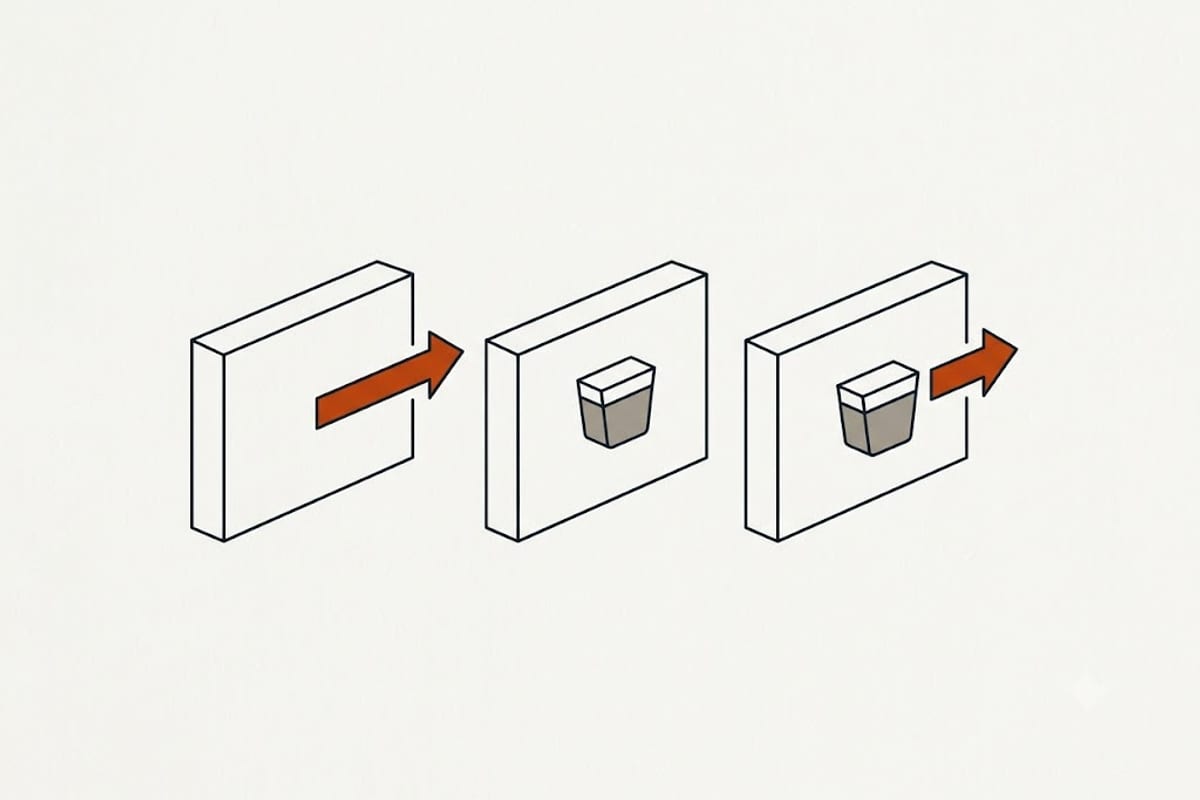
These blow hot damp air out through a duct. There is nowhere inside the machine for water to collect, so a puddle means the duct is condensing and draining back.
Causes, in the order worth checking:
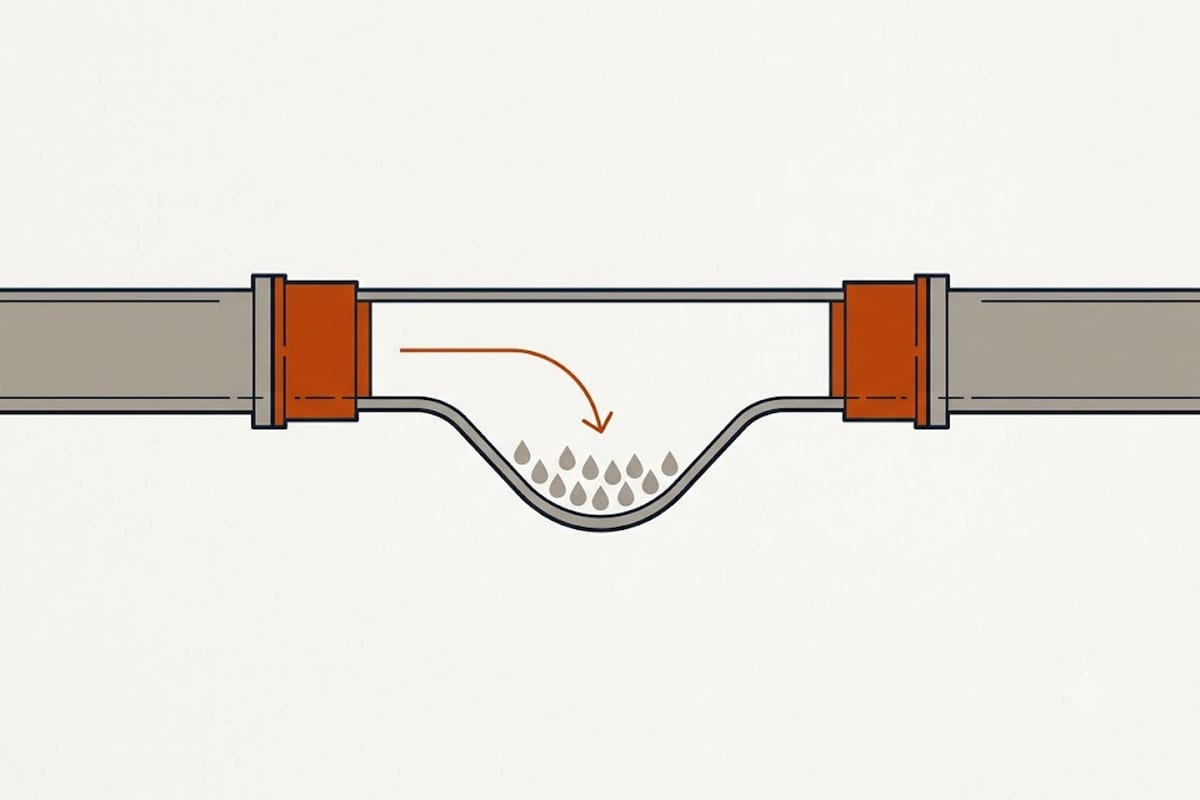
- A long or cold duct run. Air cools before it leaves, water condenses on the inside of the duct, and gravity brings it back to the machine. Ducts running through unheated garages, lofts and outside walls do this in winter and stop in summer, which is a very recognisable seasonal pattern.
- A sagging flexible duct. Any dip becomes a water trap. Once full, water runs back toward whichever end is lower.
- A blocked or partly blocked duct. Less air leaves, more moisture stays, and both condensation and drying time get worse together.
- A duct that terminates indoors, into a garage or a loft space rather than outside. That water has to go somewhere.
The seasonal clue is worth taking seriously: a dryer that only leaks in cold weather has a condensation problem, not a broken part.
Condenser dryers
These cool the damp air inside the machine, collect the water in a tank, and reuse the air. Now there is water inside by design, and a leak means the water is escaping from where it is kept.
- A full tank. Most machines stop and warn, but a faulty float switch means they keep running and overflow.
- A blocked condenser unit. Lint packs the fins, water backs up rather than draining into the tank.
- A blocked drain channel or sump under the condenser.
- The tank not seated correctly after emptying, which is the most common and the easiest to fix.
If the machine is plumbed to drain directly rather than into a tank, check that hose for kinks and blockages as well.
Heat pump dryers
Same principle as a condenser dryer with an extra heat exchanger and, usually, a small pump moving water to the tank.
- A blocked fine filter. Heat pump dryers have a second filter below the door filter, and it clogs faster than owners expect. A blocked one causes both poor drying and water backing up.
- A failed condensate pump. Water reaches the sump but never gets to the tank.
- Ice on the evaporator in a very cold room. Heat pump dryers do not like unheated garages in winter.
What is normal
- A little water in the drum after a heavy load is not unusual on a condenser or heat pump machine.
- Damp around the door seal with a very full load is normal; a puddle on the floor is not.
- More water in the tank in winter than in summer, because incoming laundry is colder and the room is colder.
What to check first, whatever the type
Pull the machine out and look at where the water actually appears. Water at the front usually comes from the door area or the tank. Water at the back usually comes from the duct, the condenser drain, or a hose. That single observation eliminates half the list before you open anything.
When to stop
Emptying tanks, cleaning filters, clearing condenser units and reseating ducts are all owner tasks and the manual will say so. Removing a condensate pump or opening a sealed heat pump circuit is not.
If the machine is vented and only leaks in cold weather, no part has failed. The duct needs shortening, insulating, or sloping so water drains outward.