
A tumble dryer is mechanically simple. A drum turns, supported on rollers or a rear bearing, driven by a belt that runs over an idler pulley and around the motor shaft. Almost every noise a dryer makes comes from one of those four things, and the rhythm of the noise tells you which.
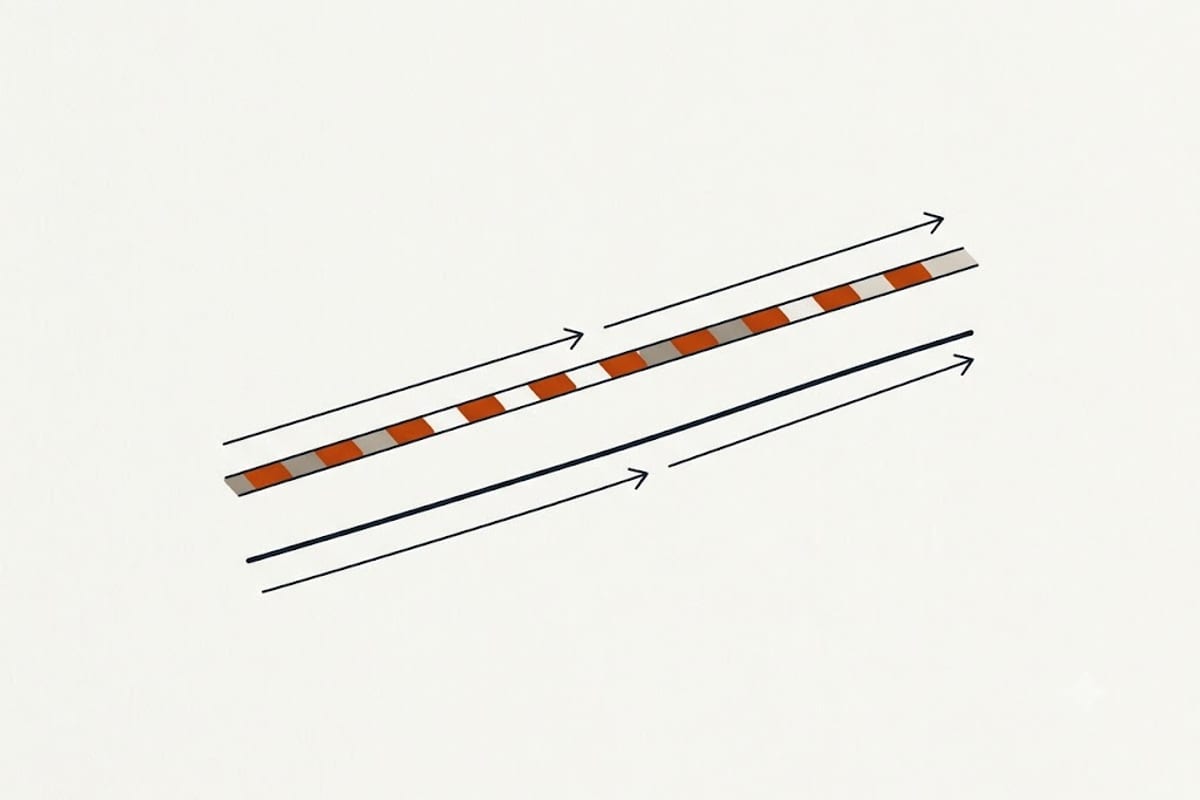
A squeak in time with the drum
If the noise repeats at the same rate the drum rotates — roughly once a second on most machines — the source is turning with the drum.
That usually means the support rollers. These are small wheels the drum rests on, and they wear flat spots or lose their lubrication over years of use. The characteristic sound is a rhythmic squeak or thump that speeds up and slows down exactly with the drum, and it is often worse when the machine is cold and eases as it warms.
On machines that use a rear bearing instead of rollers, a worn bearing produces a similar rhythm but more of a grinding or scraping quality than a squeak.
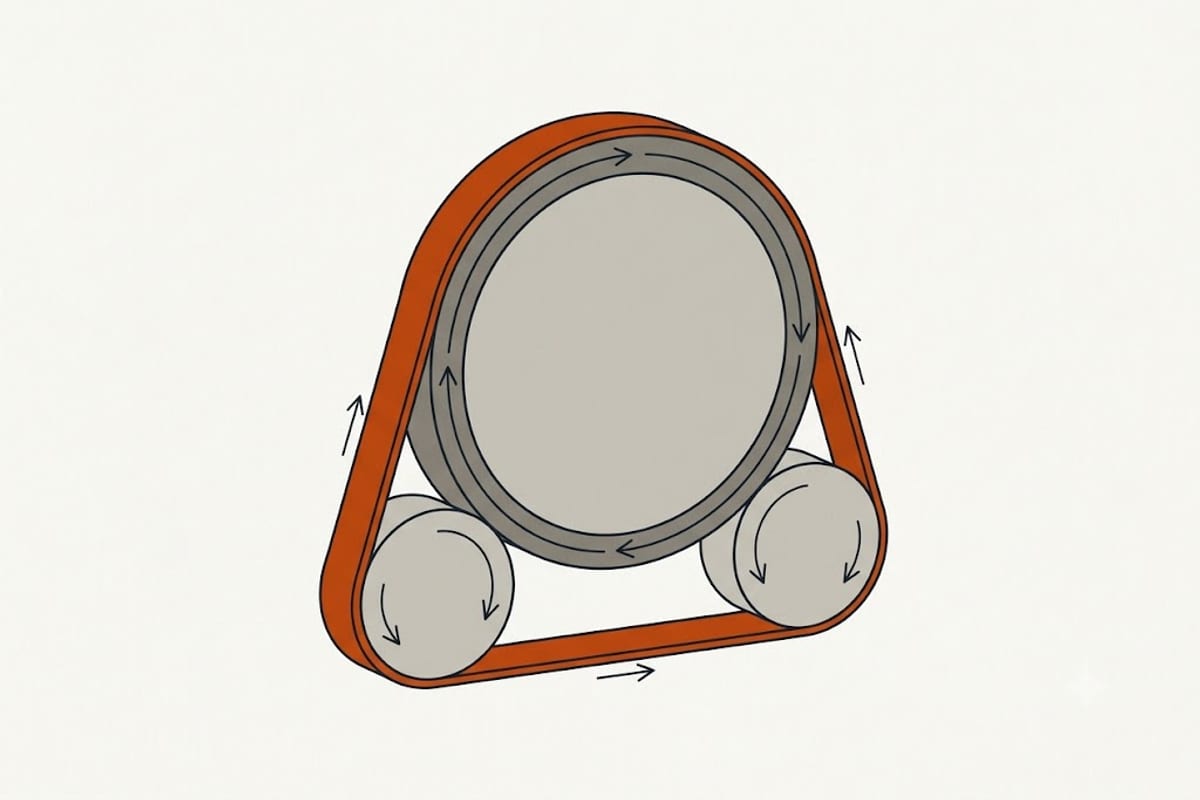
A constant squeal that does not follow the drum
A continuous high-pitched noise that stays at the same pitch regardless of what the drum is doing points at something spinning much faster — the idler pulley or the motor.
The idler pulley keeps tension on the drive belt and spins at high speed. It is a small part, it is one of the most common wear items in a dryer, and its bearing is usually the culprit when a dryer develops a persistent squeal.
Motor bearings make a similar noise but usually with a rougher, more mechanical edge, and a failing motor often struggles to start as well.
A rhythmic thump rather than a squeak
A regular knock, again in time with the drum, is more likely to be the drive belt. Belts develop a stiff section or a crack that produces a bump each time it passes over the pulley. A belt that is close to failing sometimes squeals and thumps together.
The other cause of a thump is something in the drum — a coin, a button, a zip pull — which is worth ruling out first because it costs nothing to check.
Noise that only happens when loaded
If the machine is quiet empty and noisy with clothes in it, the load is putting weight through worn supports. That still points at rollers or a bearing, but it tells you the wear is at an early stage rather than advanced.
Conversely, a machine that squeals empty and loaded equally is more likely to be the idler or the motor, because those carry the same load either way.
What is worth doing before opening it
Run the dryer empty and listen with the machine pulled away from the wall, so the sound is not reflecting off anything. Note whether the noise follows the drum or is constant, and whether it changes as the machine warms up. Turn the drum by hand with the machine off and unplugged, feeling for roughness or resistance.
Those three observations take a couple of minutes and they determine which part to buy, which matters because rollers, idlers and belts are inexpensive while a motor is not.
The reason not to ignore it
Unlike some appliance noises, a squeaking dryer generally gets worse rather than staying stable. A worn roller eventually seizes, and a seized roller drags on the drum and can damage the drum surface or the belt. An idler that fails completely releases belt tension, at which point the motor runs and the drum does not.
Neither of those is dangerous, but both turn a cheap part into a more involved repair, and both tend to happen with a full load of wet washing inside.