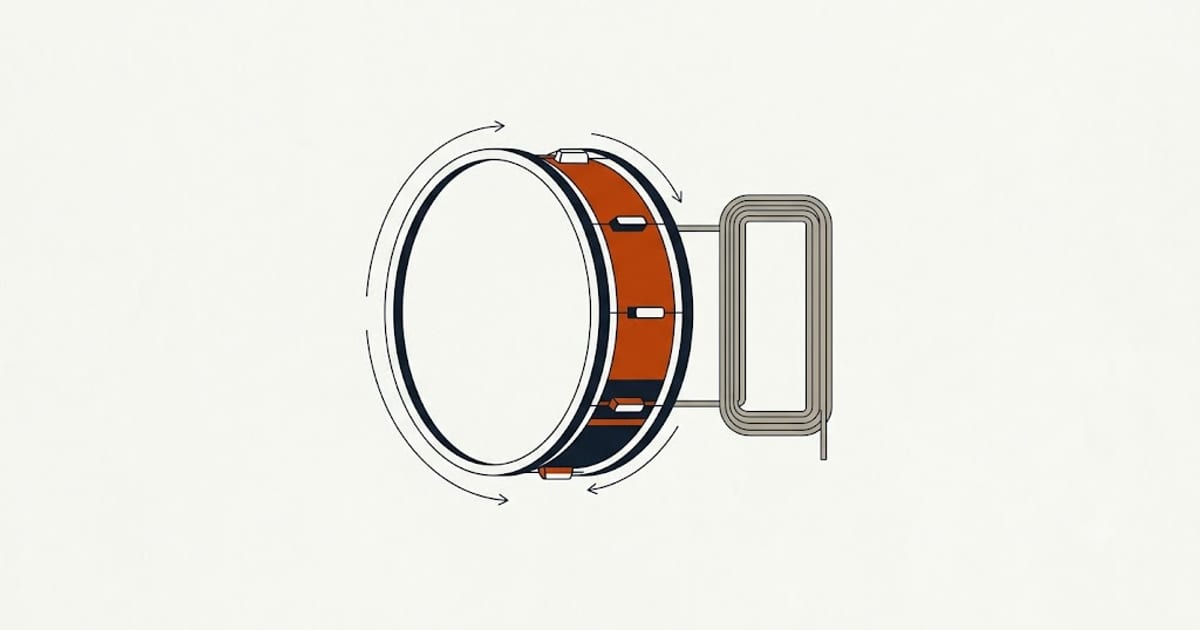
A dryer that tumbles, lights up and runs its full cycle but leaves the clothes cold has not lost power. It has lost heat, and heat is on its own circuit.
That distinction narrows the problem immediately. The drum turning proves the motor, the door switch, the start switch and the timer are all doing their jobs. Whatever failed sits between the incoming supply and the heating element — and on an electric dryer, that is a short list.
Check the vent first, before any part
This is not the usual "check the obvious" advice. A blocked vent is the single most common cause of no heat, and the reason is mechanical rather than electrical.
Every dryer has a thermal cutout — a one-shot fuse that opens permanently when the cabinet gets too hot. When lint blocks the duct, heat cannot leave, the cabinet overheats, and the cutout does exactly what it was designed to do. The dryer then runs cold forever.
So a blocked vent does not just reduce heat. It destroys a part, and replacing that part without clearing the duct destroys the new one too.
Signs the vent is the cause:
- Cycles have been getting longer for weeks or months before heat stopped.
- The outside vent flap barely moves, or the air leaving it is weak.
- The cabinet or the clothes were unusually hot in the weeks before.
- Lint appears around the door seal or behind the machine.
Disconnect the duct at the back and run the dryer for a moment. If heat returns with the duct off, the duct is the fault — nothing inside the machine needs replacing yet.
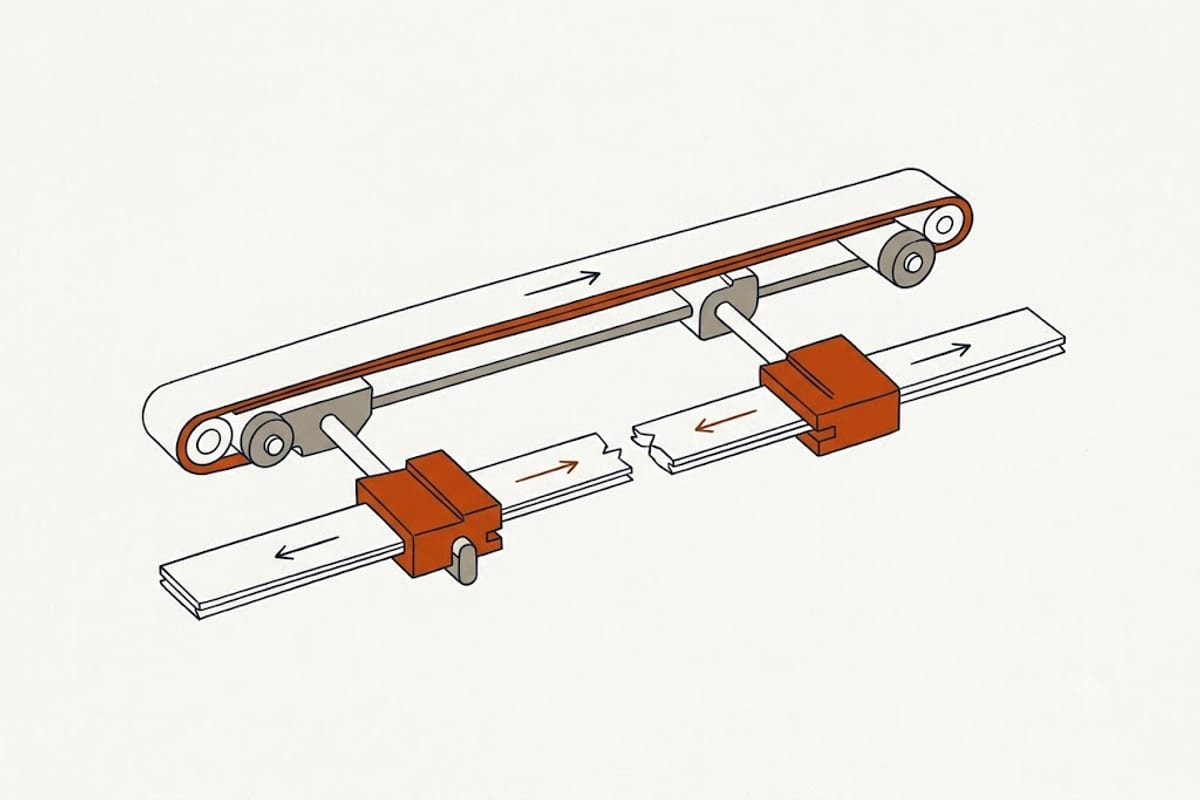
The four parts that stop heat
| Part | What it does | How it fails |
|---|---|---|
| Heating element | The coil that makes heat | Breaks open — no heat at all, everything else normal |
| Thermal fuse | One-shot safety cutout | Opens permanently after an overheat |
| Cycling thermostat | Switches heat on and off to hold temperature | Sticks open — no heat, or stuck closed — too hot |
| High-limit thermostat | Backup cutout near the element | Opens on overheat, may reset when cool |
On most electric dryers the thermal fuse is in series with the heating circuit, which is why one small part stops all heat while the drum keeps turning normally.
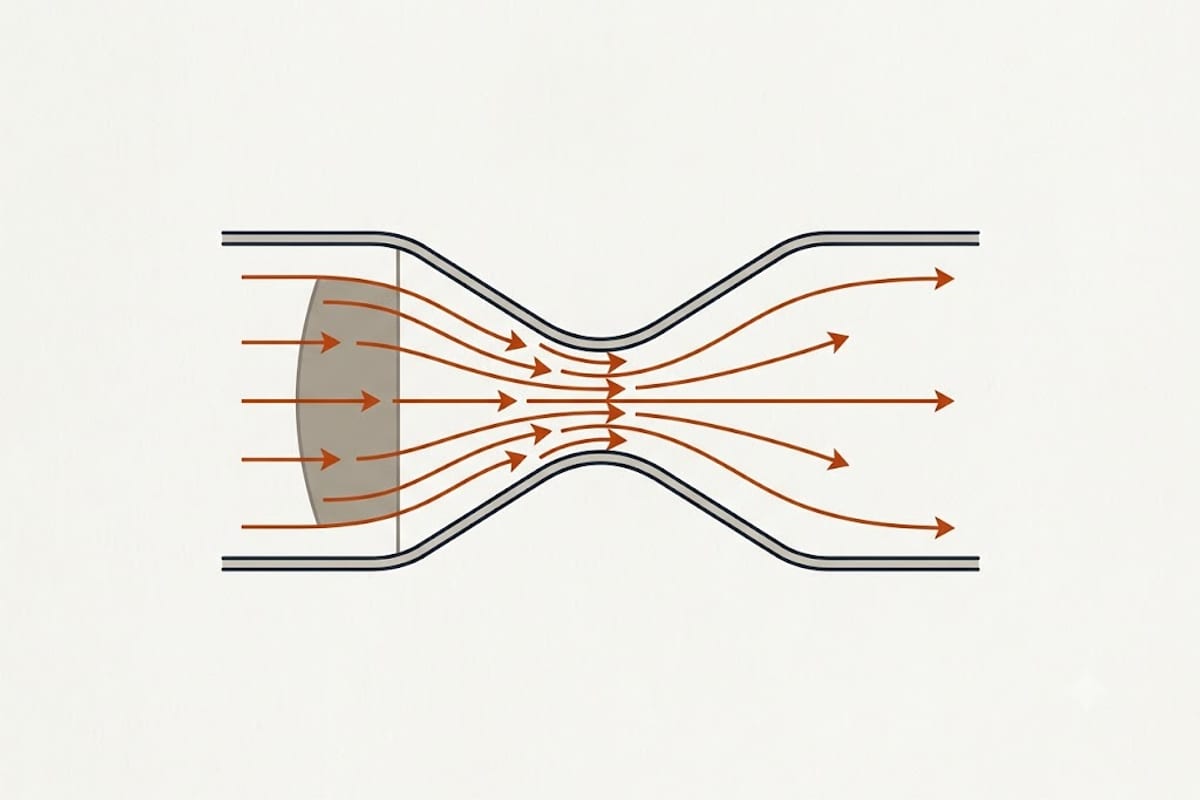
Gas dryers fail differently
If the dryer is gas, the list above mostly does not apply. A gas dryer that tumbles cold usually has an ignition problem, and it gives you an audible clue:
- Clicking, then nothing — the igniter glows but the gas valve coils do not open.
- No clicking at all — the igniter itself has failed, or a fuse upstream of it.
- Brief flame, then out — the flame sensor is not confirming the flame.
Listen at the front of the machine within the first minute of a cycle. The sequence tells you which stage stopped.
What you can rule out
- The breaker. An electric dryer runs on two legs of 240 V. If one leg is dead, the drum still turns on 120 V but the element gets nothing. A dryer that runs with no heat is a classic half-breaker symptom, and it is worth checking before opening the machine — a double-pole breaker can fail on one side only.
- Settings. An air-fluff or air-dry cycle tumbles with no heat by design. It is worth confirming before anything else.
When to stop
Heating elements and thermostats sit next to a 240 V circuit inside a metal cabinet. Testing them properly means unplugging the machine, discharging nothing, and reading resistance with a meter — not probing a live dryer.
If the vent is clear and the cycle settings are right, the remaining checks are a job for a meter and a wiring diagram, or for someone who has both.
This page describes how the parts fail. It does not tell you which one failed in your machine — only a meter does that.