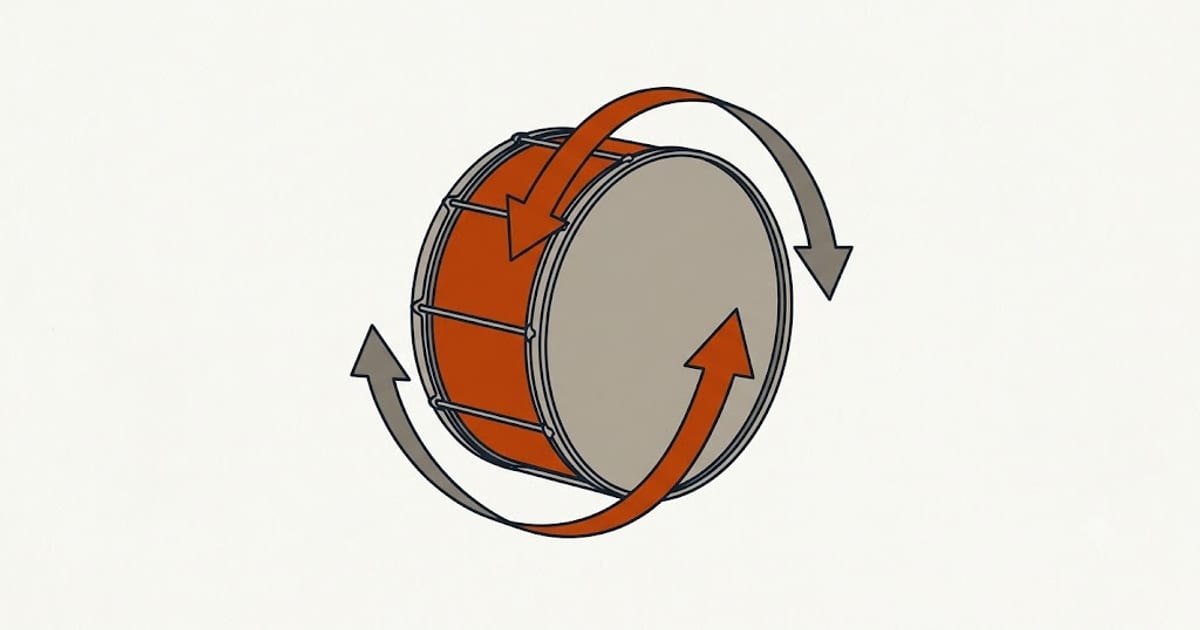
A tumble dryer does not dry clothes by getting hot. It dries them by moving heated air through the load, picking up moisture, and carrying that moisture away.
So a dryer that still heats but takes two cycles has not lost heating. It has lost airflow, and the moisture is going round in circles.
Why it gets worse gradually
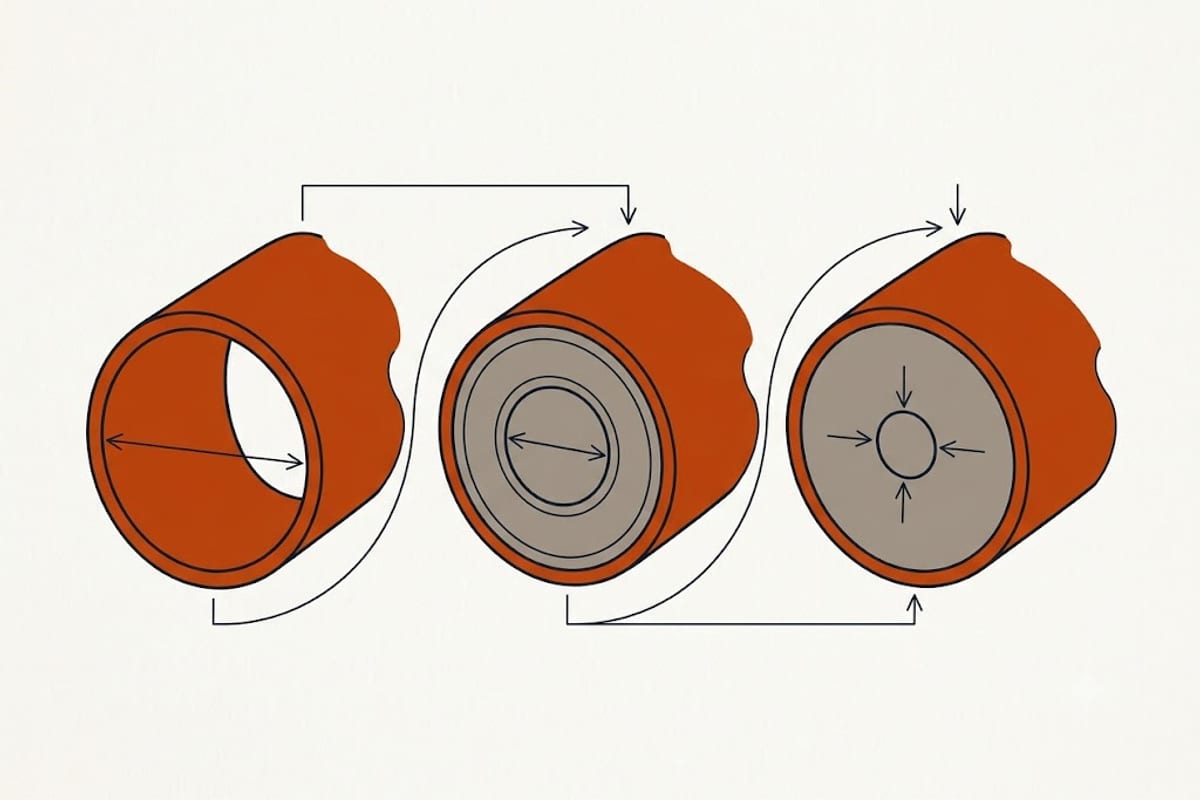
Lint accumulates. Every load leaves a little more on the inside of the duct, and the cross-sectional area drops slowly over months. Nothing breaks, so there is no moment where it obviously fails — the cycle just creeps from 50 minutes to 70 to 110.
That gradual pattern is itself diagnostic. Sudden loss of drying is a heating fault. Gradual loss is airflow.
Check in this order
1 · The lint filter. Obvious, but check it is actually clean rather than looking clean. Fabric softener sheets leave an invisible film that blocks the mesh. Hold it under a running tap: water should pass straight through. If it beads on the surface, scrub it with a soft brush and washing-up liquid.
2 · The filter housing. Lint bypasses the filter and collects in the slot below it. A vacuum crevice tool reaches most of it.
3 · The outside vent. Run the dryer and go outside.
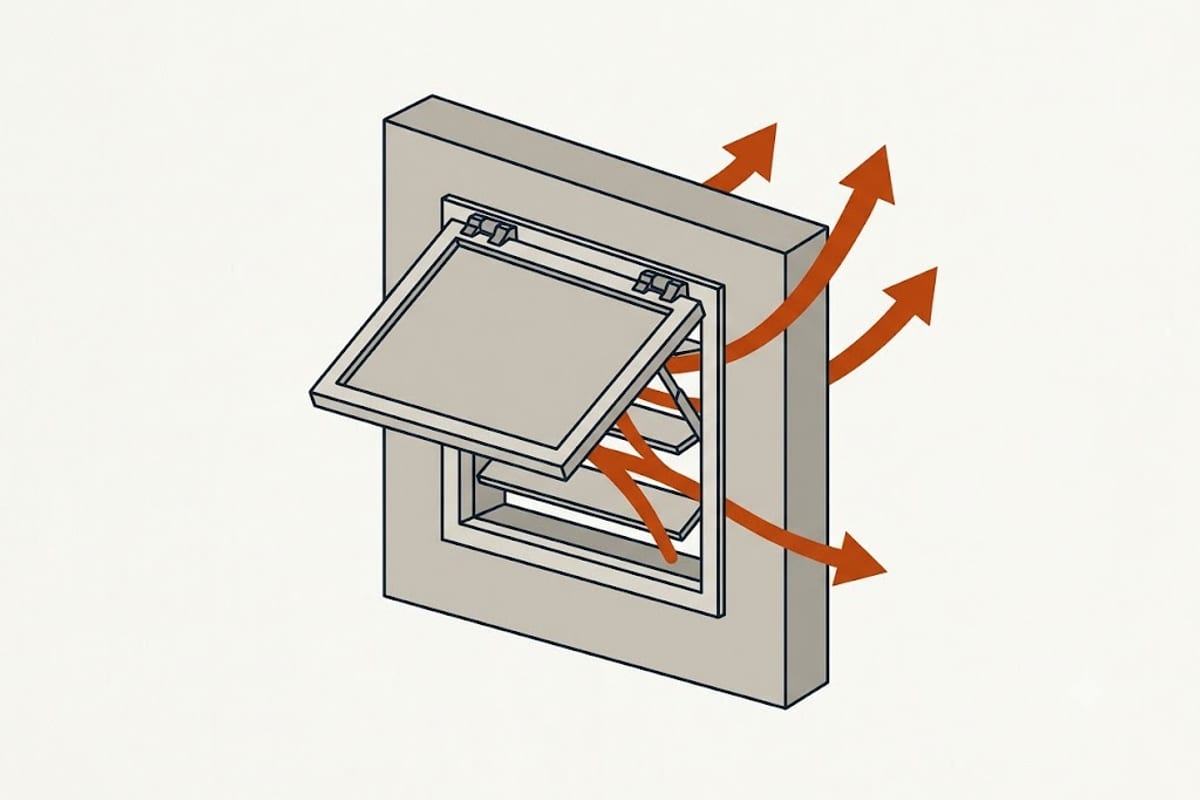
You should feel strong warm air. Weak flow means a restriction somewhere in the duct. Also check the flap actually opens — they stick, and they get blocked by nests.
4 · The duct itself. Disconnect it at the machine and look through. Flexible foil and plastic ducts trap far more lint than rigid metal, and any sag becomes a lint and water trap.
5 · The duct length. Every bend adds resistance equivalent to a length of straight run. A duct that goes up, across and round two corners can exceed what the fan can handle even when it is clean.
The test that isolates it
Disconnect the duct completely and run a load with the machine venting into the room. Do this once, with a window open, not as a habit — it dumps a lot of moisture indoors.
If drying time returns to normal, the duct is the problem and nothing inside the machine needs replacing.
That single test saves most of the unnecessary part-swapping that this symptom generates.
When it is not the duct
- A condenser or heat pump dryer has no duct. On those, the blocked item is the condenser unit and, on heat pump models, the fine secondary filter below the door filter. Both clog and both are owner-cleanable.
- The load is too big. Clothes need room to tumble. A packed drum dries badly no matter how good the airflow.
- Clothes going in too wet. A washer that is not spinning properly leaves far more water behind, and the dryer gets blamed. Check the spin speed setting and listen for the washer reaching full spin.
- A failing heating element on a multi-element machine, where one element has gone and the other still works. The dryer gets warm rather than hot, and takes much longer.
Why it matters beyond the time
Restricted airflow makes the cabinet run hotter than designed. That shortens the life of the thermostats and, eventually, opens the thermal cutout — at which point the dryer stops heating entirely and needs a part.
So a dryer taking two cycles is not just slow. It is on its way to a fault, and clearing the duct prevents it.