
A washer that finishes its cycle with water still sitting in the drum has failed somewhere along a short, physical path: drum → filter → pump → hose → standpipe. The water stops at one of those points, and each stopping point sounds different.
Listen before you open anything.
What the sound tells you
A hum or buzz at the drain step, no water moving. The pump is receiving power and trying to turn. Something is jamming the impeller — a coin, a hairgrip, a sock corner — or the impeller has seized. This is the most common case and often the cheapest.
Nothing at all at the drain step. The pump is getting no power. That can be the pump's own windings, the control board, or — very commonly — a lid or door switch that has failed. Most washers refuse to drain or spin if they believe the door is open, because both actions are unsafe with it open.
The pump runs normally, water moves, but slowly or not fully. A restriction rather than a blockage. Usually the filter, the hose, or the standpipe.
The machine never reached the drain step at all. Look at where the cycle stopped. A machine that halts mid-wash has a different fault from one that drained badly, and the error code — if it shows one — is worth reading before anything else.
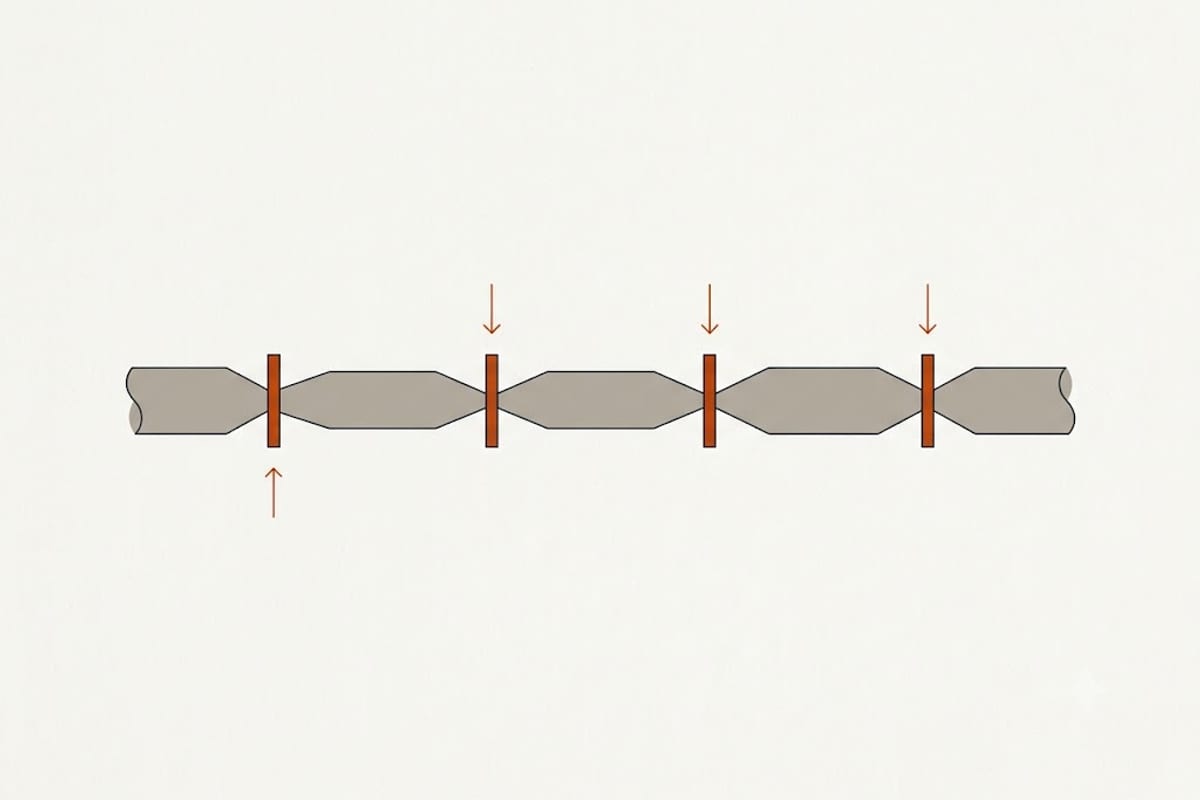
The four points, in the order worth checking
1 · The drain pump filter. Behind a small hatch at the front bottom on most front-loaders; inside the pump housing on many top-loaders. It is designed to be opened by the owner and it is the single most likely place for the blockage.
Have towels ready. It holds several litres, and it comes out all at once.
2 · The pump itself. With the filter out, the impeller is usually visible and can be turned by hand. It should spin freely. If it will not turn, or turns with grinding, something is in it or the bearing has gone.
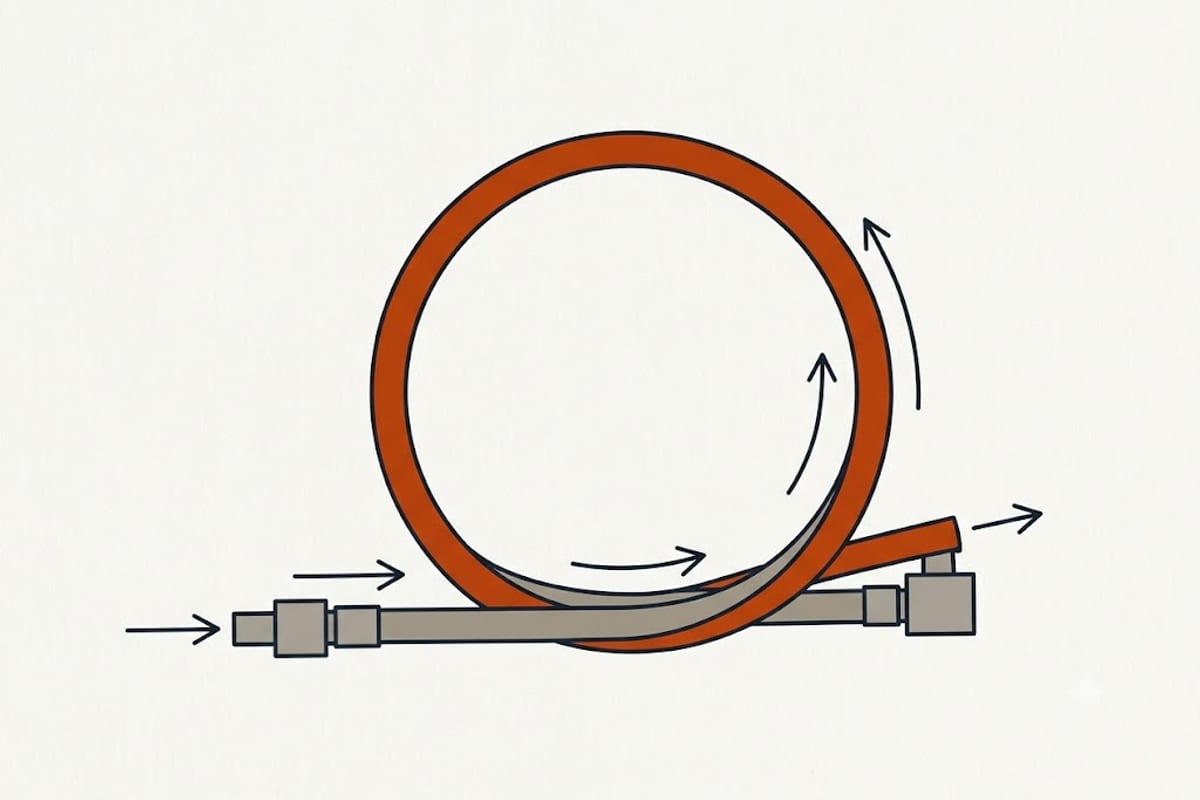
3 · The drain hose. Kinks behind the machine are common after it has been pushed back into place. So are blockages at the point where the hose has been squeezed by the cabinet.
4 · The standpipe or the sink trap. If the washer drains into a sink waste or a shared trap, the blockage may not be in the washer at all. A quick test: does the sink drain normally, and does it back up when the washer runs?
The height of the drain hose matters more than people expect
If the hose end sits too low, water siphons out of the drum by gravity while the machine is trying to fill, and the machine appears to be draining constantly or never filling. If it sits too high, the pump may not be able to lift the water at all.
Manufacturers give a range, usually somewhere between 60 cm and 100 cm above the floor. A hose pushed too far down the standpipe also seals the pipe and creates a siphon.
This is worth checking after any move, delivery or plumbing work, because it is free and it explains symptoms that otherwise look electrical.
The smell that comes with it
A washer that has drained badly for a while often smells. That is a separate problem — biofilm in the drum, the seal and the detergent drawer — and it does not go away when the drain is fixed. It needs a hot maintenance wash and the door left open between loads.
When to stop
Pumps sit at the bottom of the machine, in water, next to mains wiring. Emptying a filter is an owner task on almost every machine and the manual will say so. Removing a pump is not: it means tipping the machine, disconnecting wiring, and dealing with the water still in the drum.
If the filter is clear, the impeller spins freely and the hose is unkinked, the remaining faults are electrical. That is a meter-and-wiring-diagram job.