A washing machine that lights up, accepts a programme, and then hums or clicks without doing anything is usually waiting rather than broken. It has a condition it needs met before it will proceed, and it cannot tell you which one.
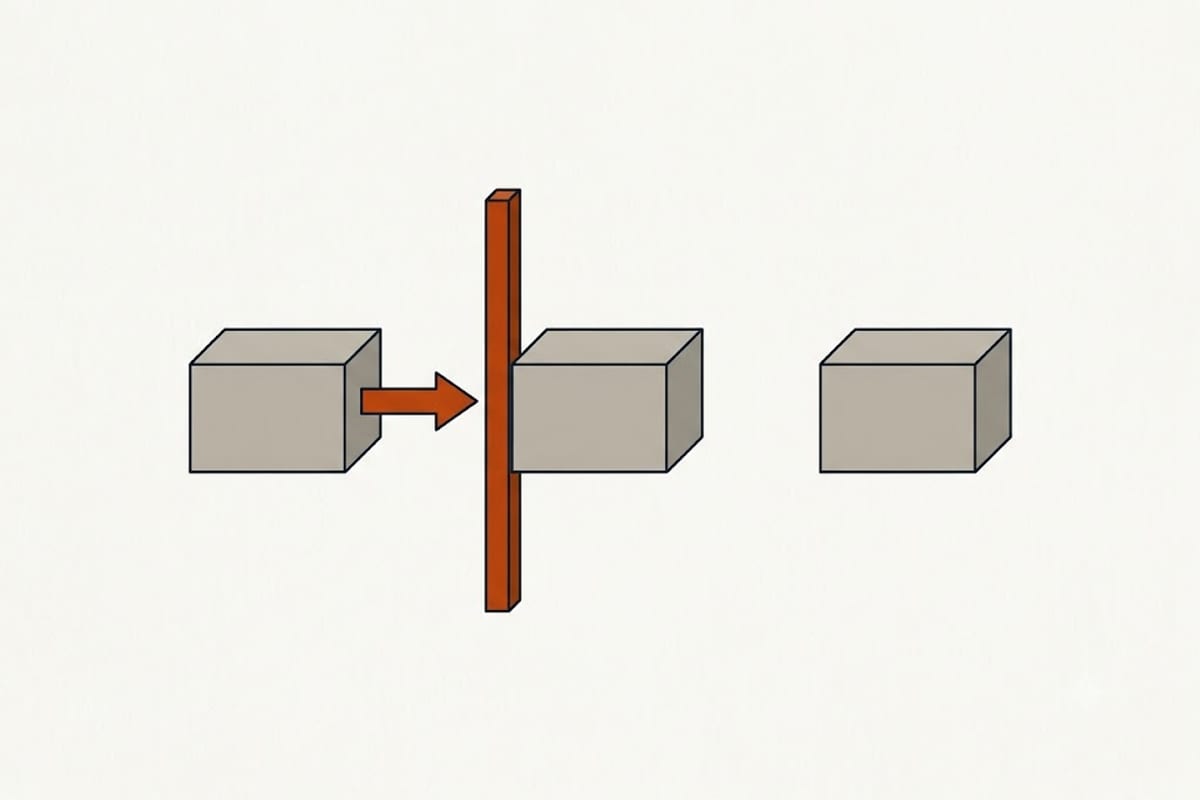
The door lock comes first
Nothing happens until the machine confirms the door is locked. If the interlock does not report back, the machine sits there — often with a click every few seconds as it retries.
Signs:
- A click at the start, repeating, then nothing.
- The door can still be opened after starting a cycle.
- An error code referring to the door or lid.
Check the door is actually latching — a build-up of detergent or a bent striker can stop it. On top-loaders, the lid switch is the same idea and fails the same way, and it is the most common cause of a top-loader that fills but will not agitate or spin.
Then water, in and out
Not filling. The machine waits for a water level it never reaches. Check the taps are on, the fill hoses are not kinked, and the small mesh filters at the hose connections are not blocked with grit.
Not draining. Many machines will not proceed to the next step, and will not unlock the door, while water remains. The symptom is a machine that appears stuck mid-cycle. Check the drain filter and the pump.
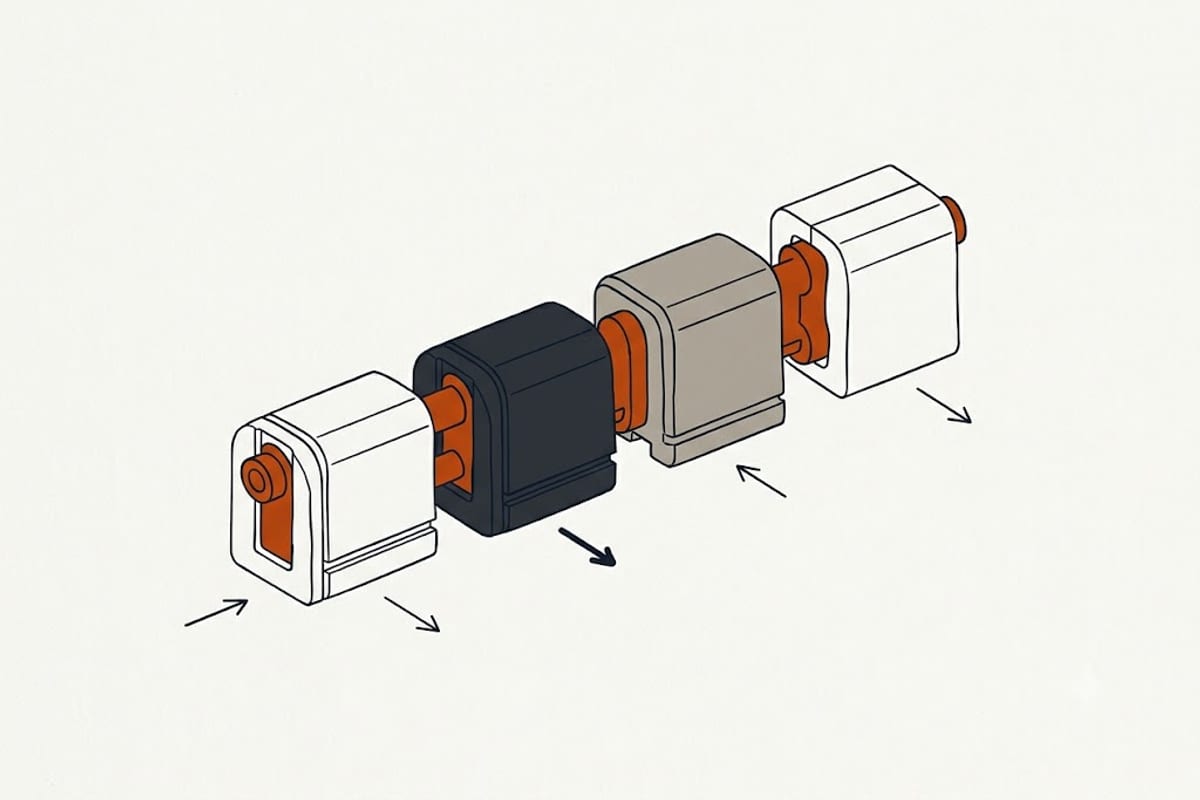
Noting which step it stops at is the single most useful observation. Stuck before filling, after filling, or before spinning are three different faults.
Humming without turning
If the drum will not turn and the machine hums:
- Turn the drum by hand with the machine off. It should move freely. Resistance or grinding means something jammed between the drum and the tub, or a seized bearing.
- Check the belt on belt-driven machines. A snapped or slipped belt gives exactly this — motor running, drum still.
- Check for an overloaded drum. Modern machines detect load and refuse to spin rather than damage themselves.
- Check for load imbalance. A single heavy item makes the machine retry, redistribute, and eventually give up, often with what looks like a stall.
Things worth ruling out before opening anything
- Transit bolts still fitted after delivery. The machine will bang violently or refuse to move.
- Child lock engaged. Most machines show a small symbol.
- A delayed start set, sometimes accidentally.
- A cycle that begins with a long soak, where nothing appears to happen for many minutes by design.
- A tripped RCD on the circuit, so the machine has partial power via the control board's memory.
Reading the error code
If the machine shows a code, look it up for that specific model before doing anything mechanical. Codes are the machine telling you which condition it is waiting for, and they turn a guessing exercise into a directed check. The code is usually in the manual, and manufacturers publish them.
A machine with no display often signals the same information by flashing a particular light or a pattern of lights, and the manual will say what each pattern means.
When to stop
Filters, hoses, transit bolts and load balance are all owner territory. Door interlocks, motors, belts and control boards are inside a cabinet with mains wiring and standing water, and the interlock in particular is a safety device that exists to stop a drum turning with the door open.
A machine that stops at a consistent point in the cycle is giving you the most useful clue it can. Note the point before calling anyone.