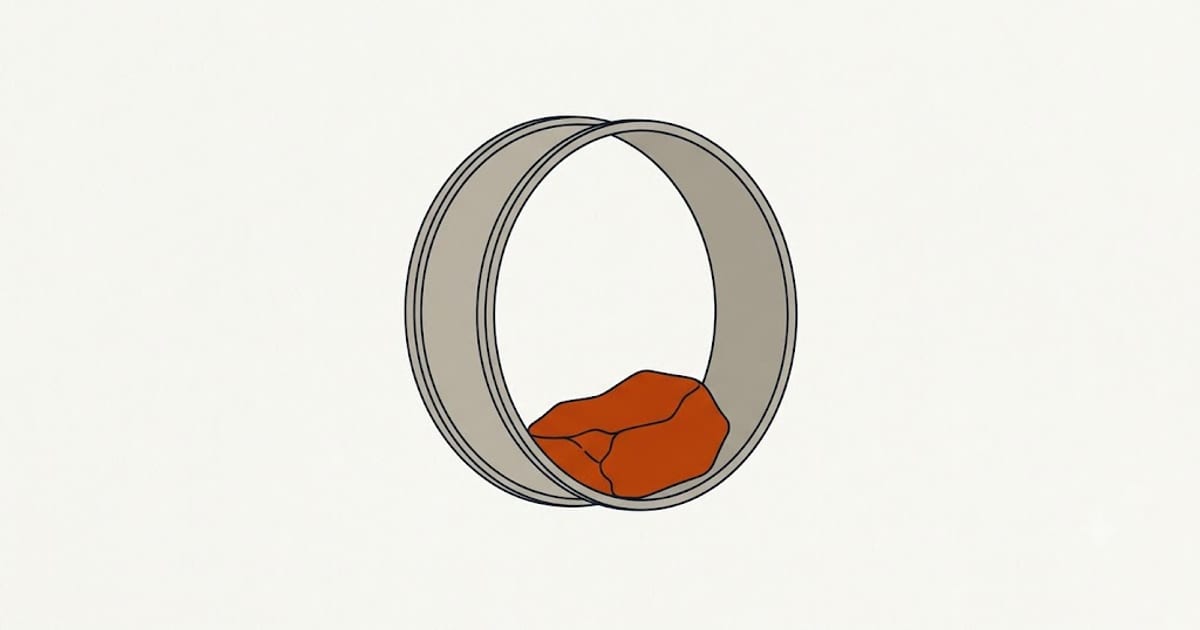
Laundry that comes out sodden rather than damp usually means the machine never completed a proper spin. The spin is the last thing that happens, so the reason it did not happen is almost always something that went wrong before it.
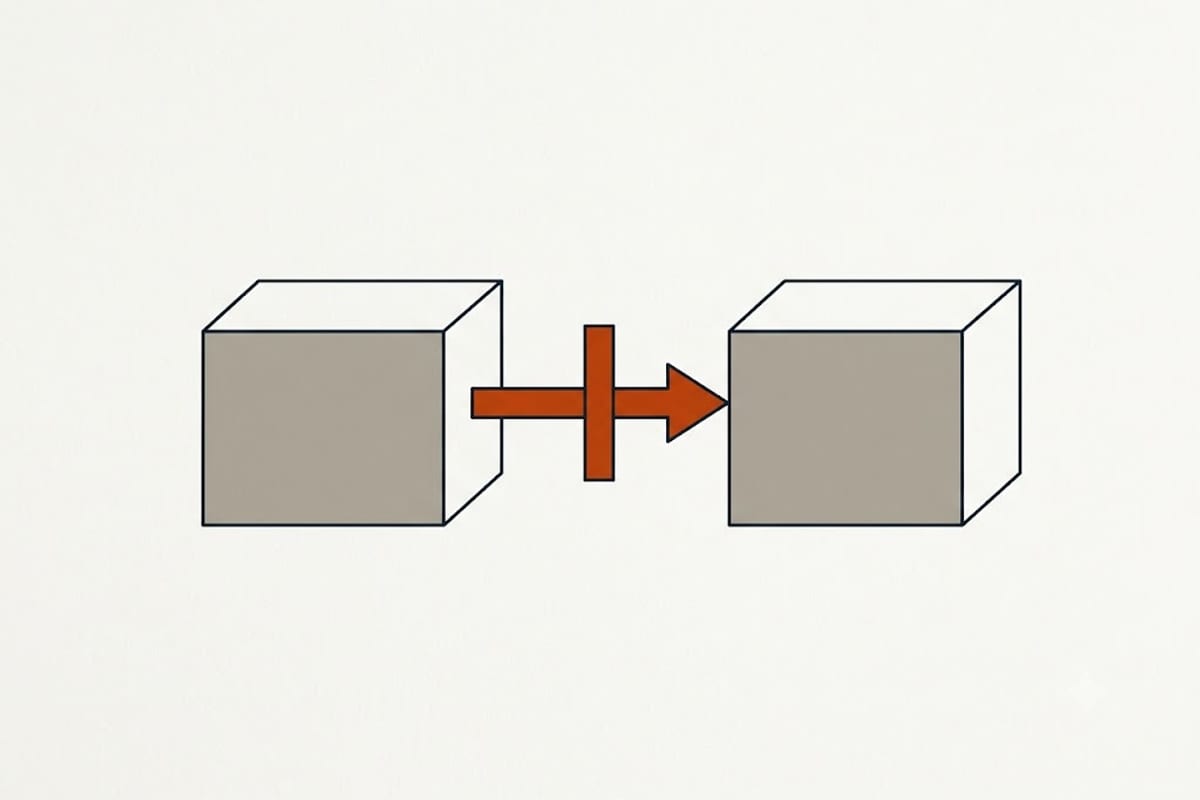
It could not drain
A washing machine will not spin with water in the drum, and it is right not to — spinning a drum full of water would be violent and would put the load out of balance instantly.
So a drain problem presents as a spin problem, and the machine gives no obvious indication of which one you are looking at. If there is standing water in the drum at the end of the cycle, that is the answer and the spin is a consequence.
The drain filter is the first place to look, then the pump impeller, then the drain hose for kinks and the standpipe for blockages. All of those are covered in more detail on the page about a washer that will not drain, and the checks are the same.
A useful clue: if the machine drained perfectly well but slowly, and the clothes are wet rather than dripping, the drain is probably fine and the balance explanation below is more likely.
It could not balance the load
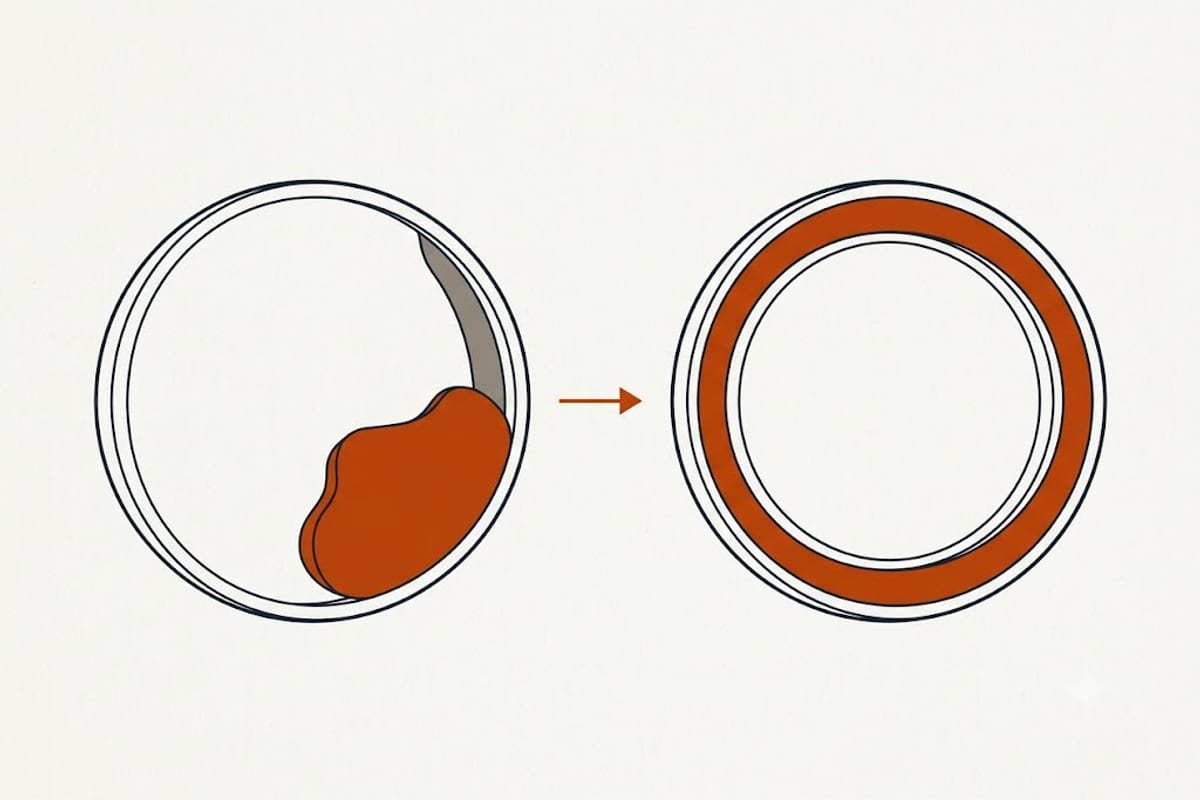
Modern machines detect load distribution before spinning up, and if the load is lopsided they stop, tumble to redistribute it, and try again. Many machines will retry several times and then give up, completing the cycle at low speed or with no spin at all rather than damaging themselves.
Single heavy items are the classic cause. One towel, a duvet, a pair of jeans on their own, a bath mat with a rubber backing — all of these end up as a lump on one side of the drum and refuse to spread out. So do very small loads, where there is nothing else for the item to distribute against.
The fix is to add a few smaller items and run a spin-only cycle. If it spins normally then, nothing is broken and the load was the problem.
Overloading produces the same result for the opposite reason: a packed drum cannot tumble, so the machine cannot redistribute anything.
The machine is not level, or has moved
A machine standing unevenly rocks during spin, which reads as imbalance to the control. Check that all four feet are on the floor and that the machine does not move when pushed at a top corner. Adjust the feet and tighten their locknuts.
Machines that walk across the floor during spin are usually not level, standing on a slippery surface, or have worn suspension. All three make the balance detection give up sooner.
Transit bolts are worth ruling out on any machine that has been delivered or moved recently. Left in, they lock the drum to the cabinet and the machine bangs violently rather than spinning.
The mechanical possibilities
If the drum will not turn freely by hand with the machine off, something is wrong beyond loading. Resistance or grinding suggests an object trapped between the inner drum and the outer tub, or a failed bearing. On belt-driven machines a snapped or slipped belt gives a motor that runs while the drum sits still.
A machine that hums during the spin phase without the drum moving is describing that situation, and it is the point at which the problem stops being about laundry habits.
Reading the pattern
The most useful thing to note before calling anyone is whether the water left the machine. Wet clothes with an empty drum is a balance or mechanical problem. Wet clothes with water still in the drum is a drain problem wearing a spin problem's clothes, and fixing the drain fixes both.