
Before identifying the sound, note when it happens. A washing machine exposes different parts at different stages, so the stage narrows the list faster than the noise does.
During spin only, rising with speed
This is the most common complaint and the most serious.
A squeal or roar that grows louder as the drum speeds up, and fades as it slows usually means drum bearings. They fail gradually — a faint noise for months, then a roar like a jet engine. On many machines the bearings are pressed into the outer drum, and on sealed-drum designs the repair means replacing the whole drum assembly, which often costs more than the machine is worth.
A quick check with the machine off and empty: grip the drum at the top and bottom and try to rock it.
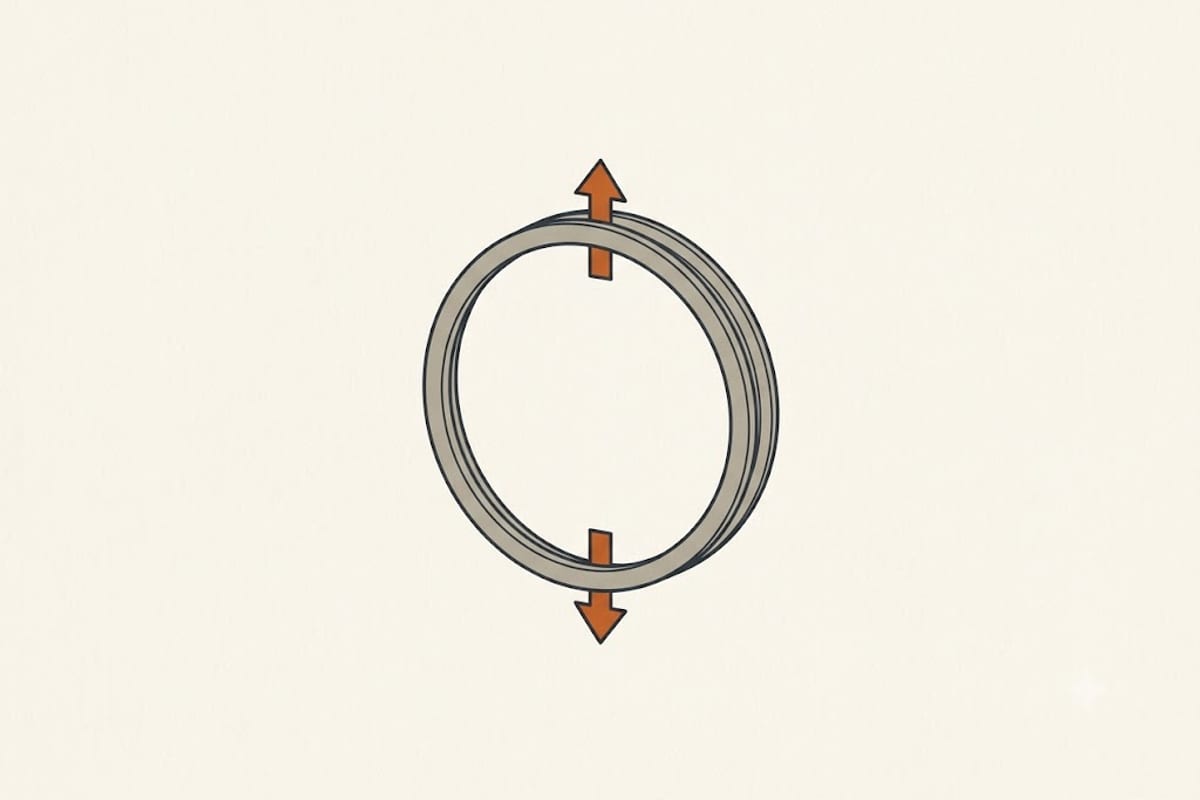
A small amount of movement is normal. Obvious play, a knocking as it moves, or a gritty feeling as you spin the drum by hand all point at bearings.
A rhythmic squeak in time with the drum's rotation is more likely a belt or a pulley than a bearing.
During spin, but a heavy banging
Almost always load balance rather than a fault. Machines redistribute and retry, and a single heavy item — a towel, a duvet — defeats them.
Also worth checking:
- Transit bolts. New machines ship with bolts locking the drum. Left in, the machine bangs violently and destroys itself. This is worth ruling out immediately after any delivery.
- Feet not level, or the machine walking across the floor.
- Suspension dampers worn out, which lets the drum swing further than designed.
During wash, a grinding or crunching
Something hard is between the drum and the outer tub, or in the pump. Coins, hairgrips, underwire from a bra. Small objects fall through the holes in the inner drum and rattle around.
Some are reachable through the drain filter or by turning the drum by hand and looking through the holes with a torch. Others need the heater removed to reach the bottom of the outer tub.
During fill, a knock or hammer
A short bang when the water valve closes is water hammer in the household plumbing, not a washer fault. It is caused by the valve stopping the flow abruptly. Arrestors fitted at the tap solve it; so does slightly reducing the flow rate at the tap.
During drain, a rattle or hum
The pump. A rattle is usually debris in the impeller. A hum with no water moving means the impeller is jammed.
Noises that are normal
- Clicking as the door locks and unlocks.
- A whirring change of pitch as the motor moves between speeds, particularly on inverter machines.
- Water gurgling into the drain at the end of a cycle.
- A quiet ticking during the wash as the drum reverses direction.
The judgement call
Bearings are the noise that decides whether a machine is worth repairing. On a sealed-drum machine the parts alone often approach the cost of a replacement, and the labour is substantial.
A machine with worn bearings will keep working for a while, and then it will leak — the seal that fails alongside the bearing lets water into the bearing housing and eventually out of the machine. So a bearing noise is a decision to make on your own schedule rather than an emergency, but it is not a noise that goes away.
Recording the noise before calling anyone
Intermittent noises are hard to describe and easy to demonstrate. A phone recording made with the phone resting on top of the machine, plus a note of which part of the cycle was running, tells an engineer more in ten seconds than a paragraph of description.
It also protects you from the common outcome where the machine behaves perfectly during the visit. Bearing noise in particular varies with load: a machine that roars with a full load of towels can sound almost normal empty, and an empty test spin is exactly what gets run first.
What to check before assuming the worst
Run the machine empty on a spin-only cycle and listen. An empty machine removes load imbalance from the picture entirely, so any noise that remains is mechanical. If it is quiet empty and loud loaded, the problem is more likely balance, suspension or a heavy single item than bearings.
Then check the floor. A machine that is quiet on a solid ground floor and loud on a suspended timber floor upstairs may have nothing wrong with it at all — the floor is amplifying normal vibration, and anti-vibration mats under the feet are a genuine fix rather than a workaround.